Inclusive DRRM Training Empowers Local Stakeholders in Bagmati
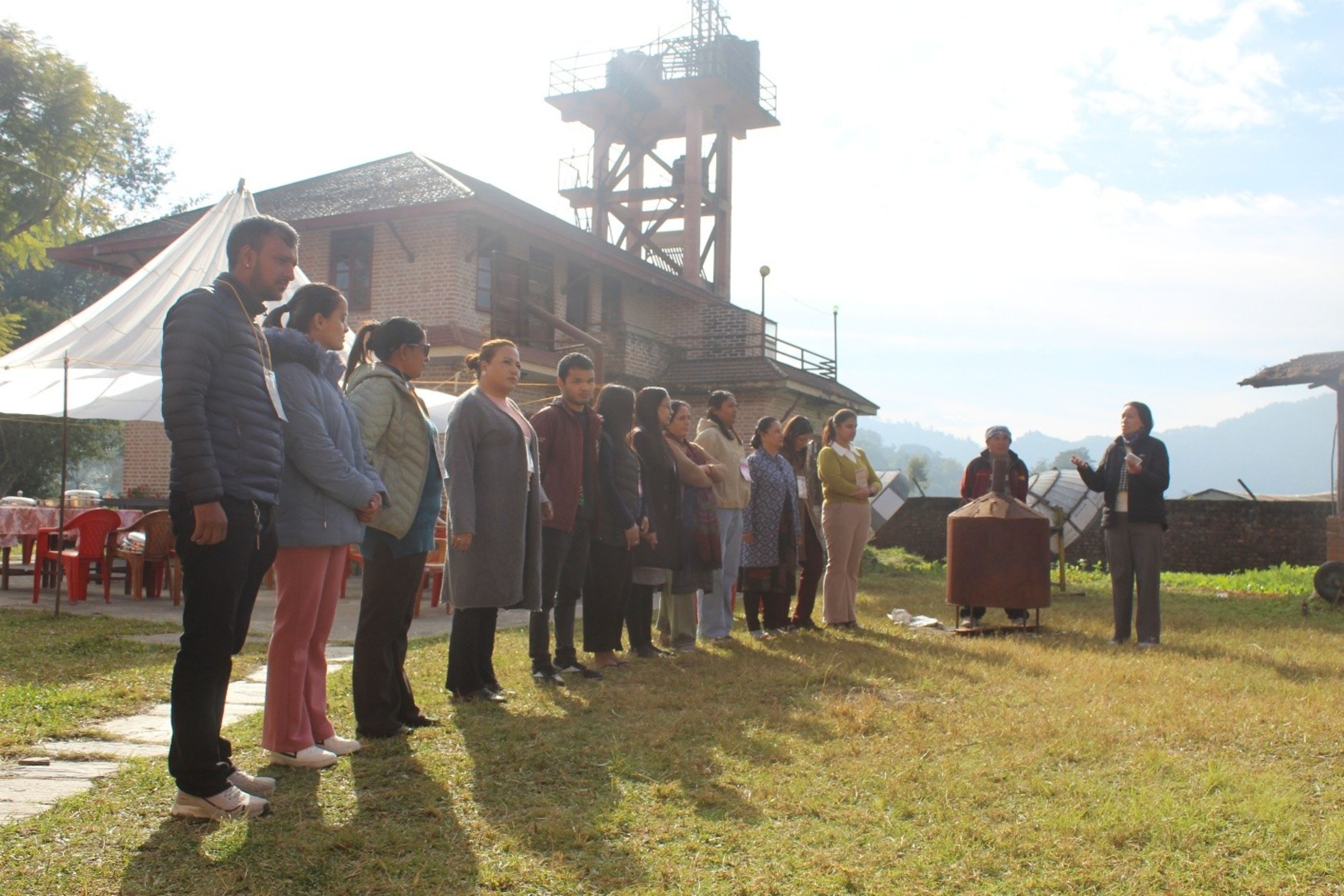
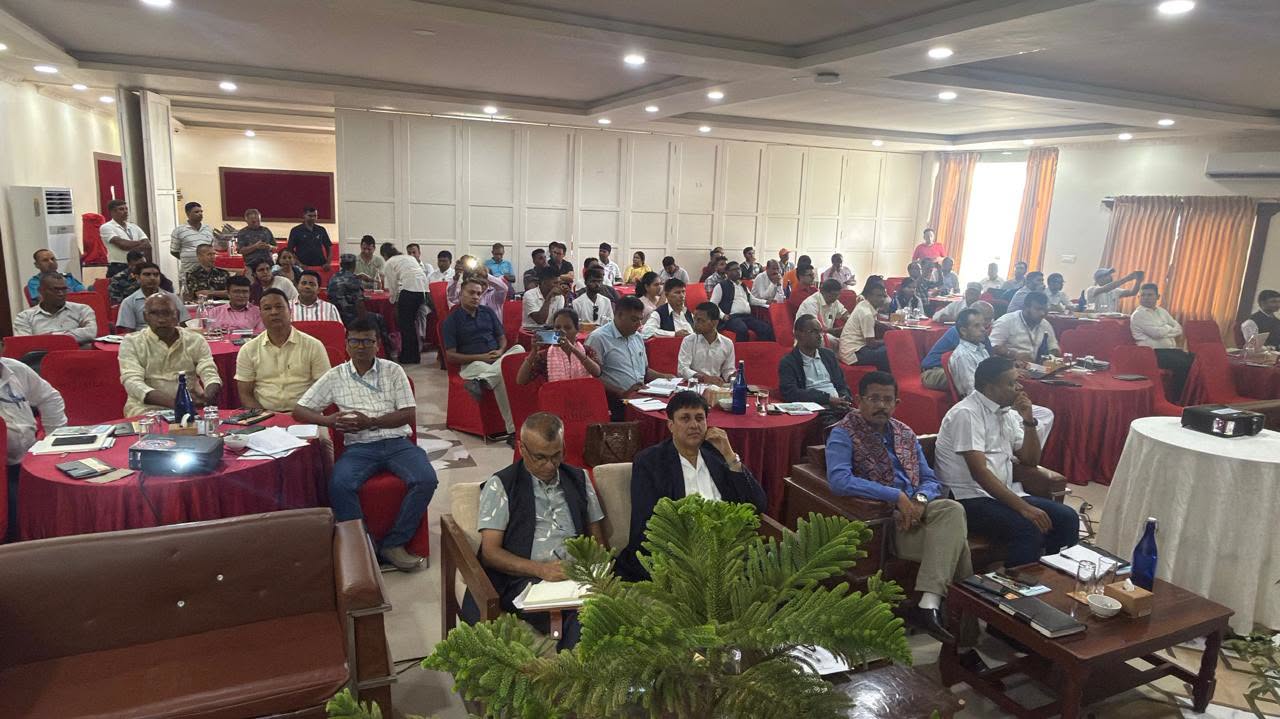
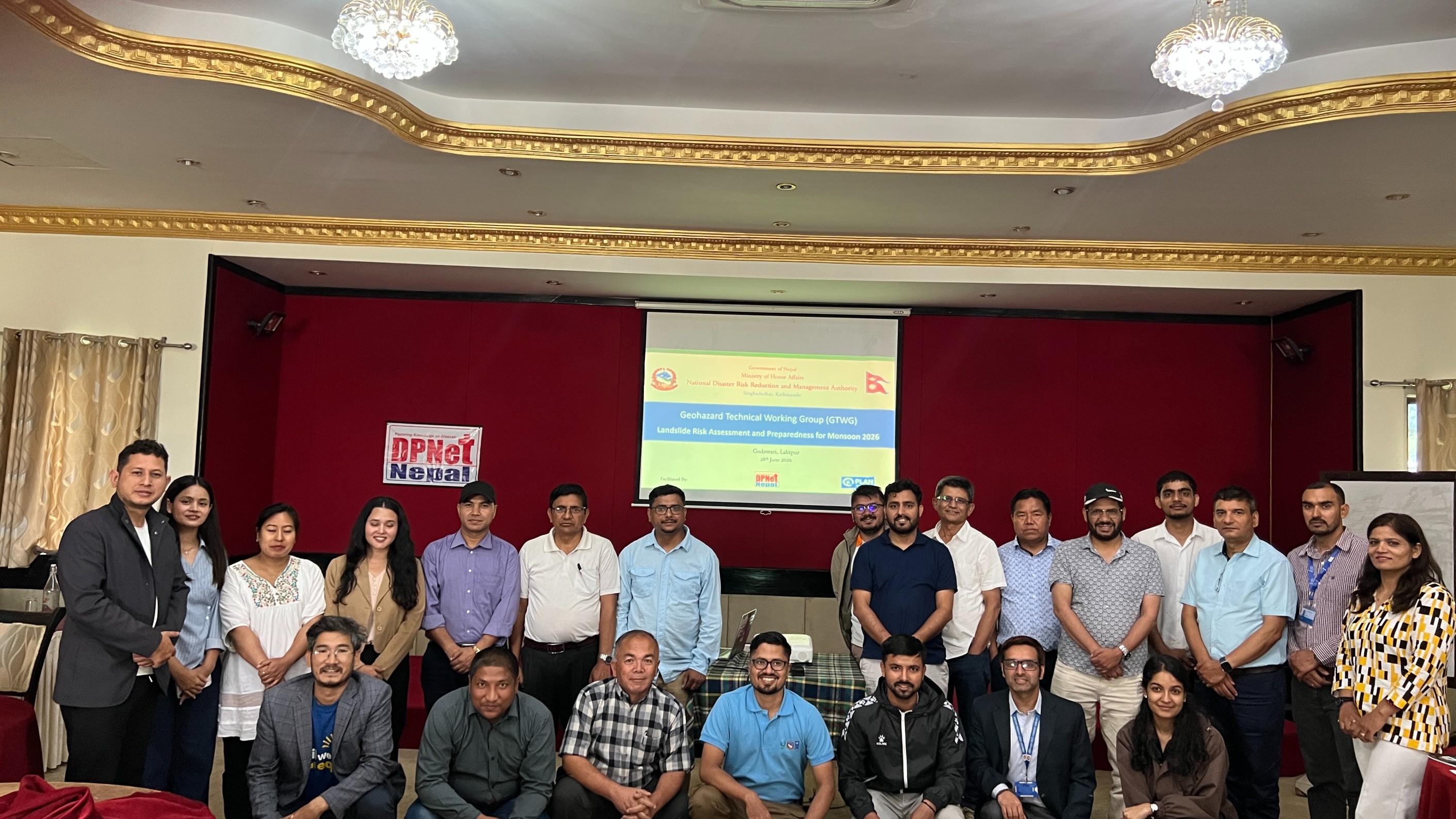
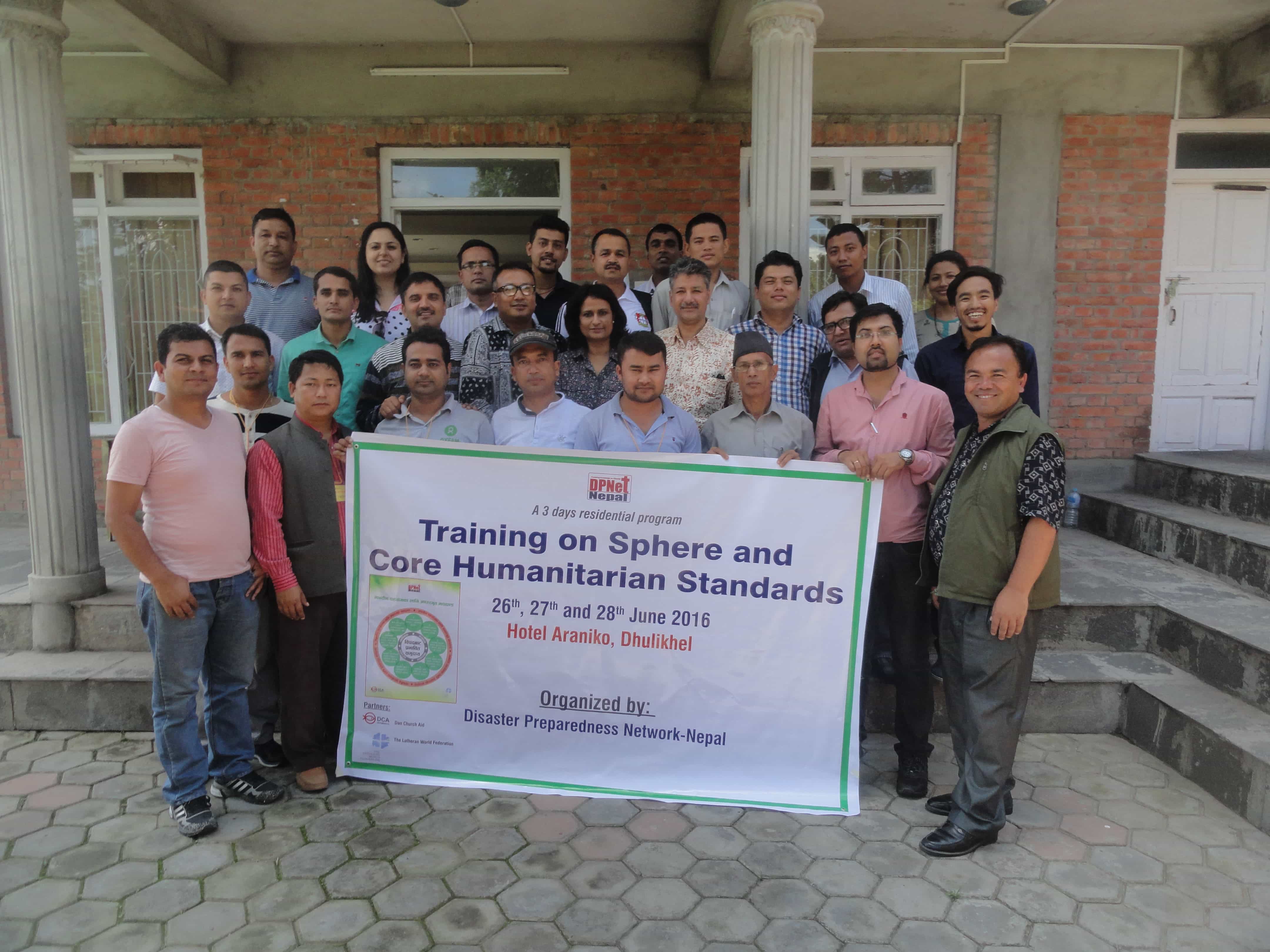
Kathmandu - 29 November 2025 - A four-day training on Gender Equality, Disability, and Social Inclusion (GEDSI) in Disaster Risk Reduction and Management (DRRM) concluded today at Eco Learning Resort, Shankharapur, equipping participants with the knowledge and skills to make disaster preparedness and response more inclusive. The event, organized by ROYM, DPNet Nepal, and UN Women under the Gender Responsive Disaster Preparedness and Response project, brought together 27 participants from women’s organizations, LGBTQIA+ led groups, organizations of persons with disabilities (OPDs), and other civil society actors engaged in DRR.
The training emphasized integrating GEDSI principles into all aspects of disaster management, promoting intersectional analysis, and strengthening practical skills for preparedness, response, recovery, and reconstruction. Reflecting its commitment to diversity, the participant group included 26 women, 3 men, 3 persons with disabilities, and 1 LGBTQIA+ representative.
Over four days, participants engaged in technical presentations, group exercises, case studies, field practicums, and reflection activities. They explored topics such as hazard assessment, protection and empowerment in humanitarian response, inclusive recovery and reconstruction, disaggregated data collection, and rapid gender analysis. “Disasters affect people differently depending on gender, age, disability, and socio-economic status. This training has helped us understand these nuances and apply them in planning and response,” said one participant.
A highlight of the training was a field practicum in Shankharapur Municipality wards, where participants engaged with local authorities and community members. They conducted vulnerability assessments, facilitated focus group discussions, mapped hazards, and analyzed historical disaster trends. The exercise gave participants hands-on experience in incorporating GEDSI considerations into local DRRM planning.
The training produced tangible outcomes, including improved understanding of GEDSI and intersectionality in DRRM, strengthened skills in hazard mapping and community assessment, draft GEDSI-responsive DRRM action plans, and identification of advocacy priorities for CSOs to promote gender-responsive disaster planning. It also strengthened collaboration between CSOs, OPDs, women’s organizations, and local government actors.
This initiative, led by ROYM, DPNet Nepal, and UN Women, represents a significant step toward inclusive disaster preparedness, ensuring that every community member—regardless of gender, age, or ability—has a voice and is considered when disasters strike.