DRRM Capacity Building Training Integrating GEDSI Lens Held in Nepalgunj
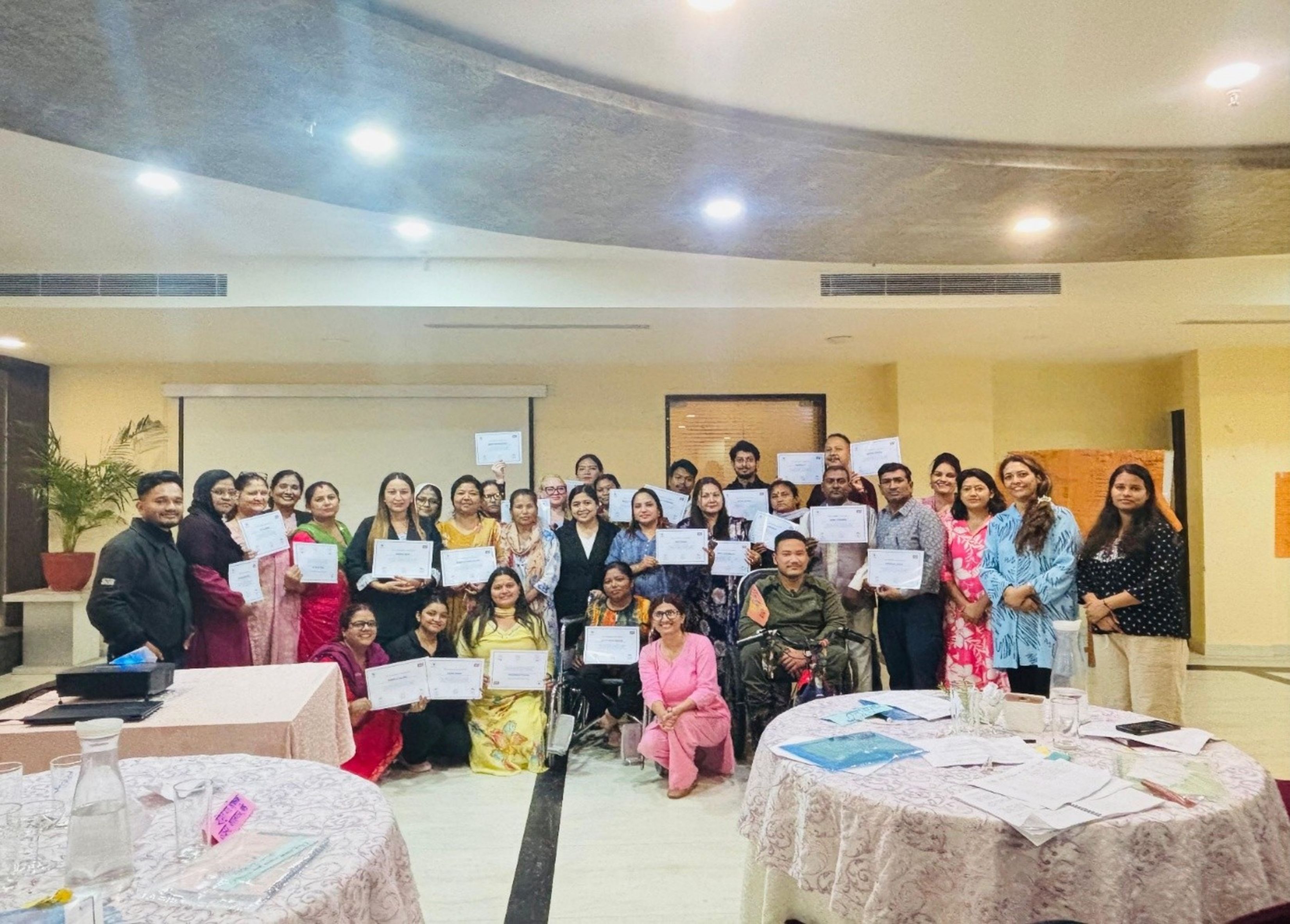
Nepalgunj – 13 November 2025 – A four-day capacity-building training on Gender Equality, Disability, and Social Inclusion (GEDSI) in Disaster Risk Reduction (DRR) and Humanitarian Response successfully concluded in Nepalgunj, enhancing the skills of local stakeholders and community-based organizations to respond to disasters in an inclusive manner.
Organized under the project “Gender Responsive Disaster Preparedness and Response” by ROYM-Nepal in partnership with DPNet and UN Women, the training aimed to strengthen Gender Equality, Disability, and Social Inclusion (GEDSI)-responsive DRR mechanisms at the local level.
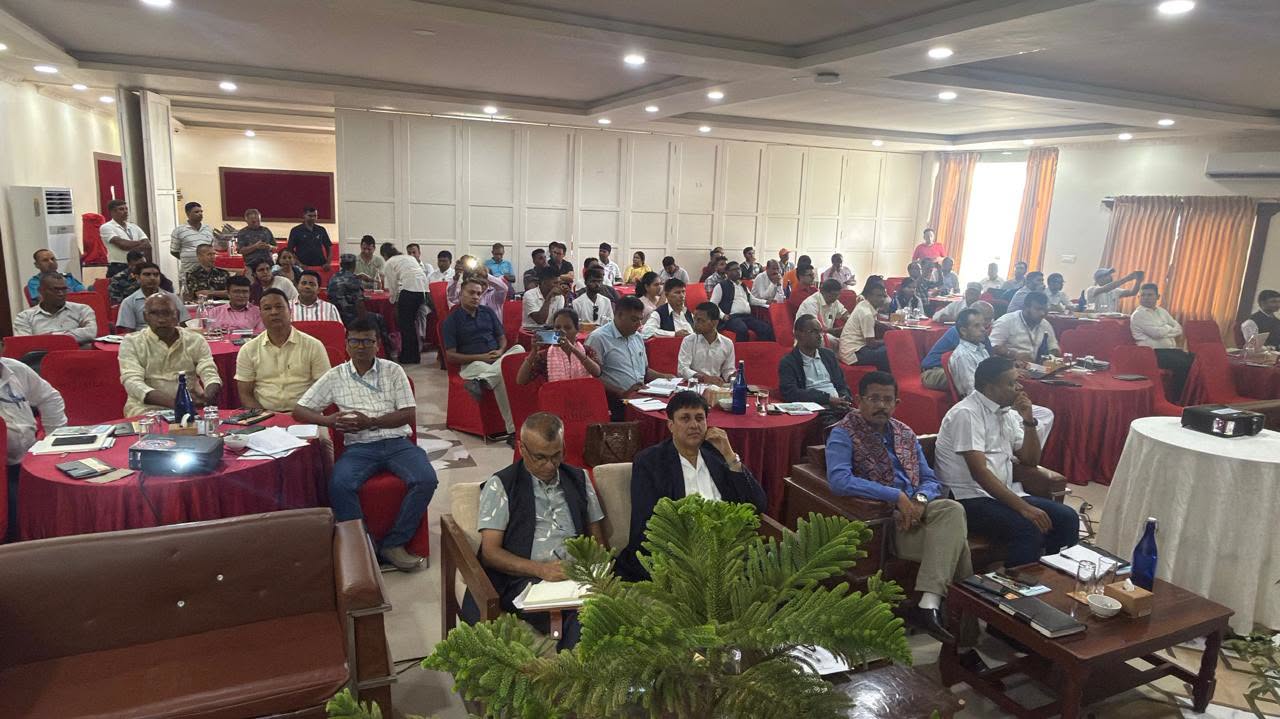
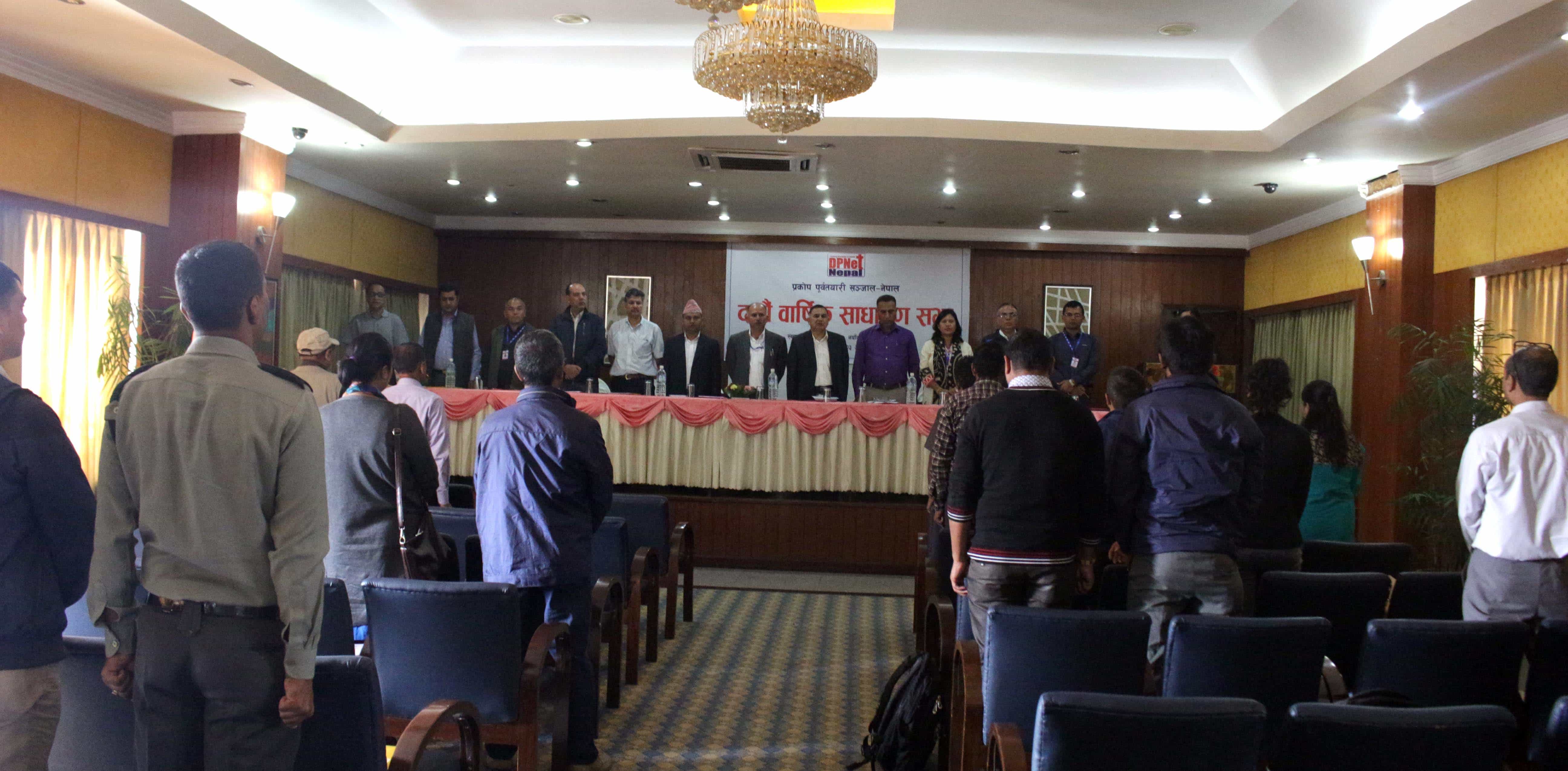
Held at Hotel Kalptaru, Nepalgunj, the program emphasized integrating GEDSI principles into disaster preparedness and humanitarian response. Participants gained practical skills in hazard mapping, vulnerability assessment, early warning systems, cluster coordination, and inclusive data management.
The training adopted a participatory methodology, combining games, scenario-based exercises, panel discussions, and a field exercise in Ward No. 3. Activities such as the Power Walk allowed participants to experience firsthand how intersecting identities affect disaster vulnerability. Group exercises and field visits also enabled practical planning for inclusive local response mechanisms.
Training highlights included:
- Understanding GEDSI-responsive DRR and humanitarian frameworks.
- Learning about national and international DRR policies and protection mechanisms.
- Exploring inclusive governance, gender-responsive budgeting, and community participation.
- Developing ward-level action plans incorporating early warning communication and disaster preparedness for vulnerable groups.
- Building partnerships among local government, CSOs, OPDs, and UN agencies for collaborative action.
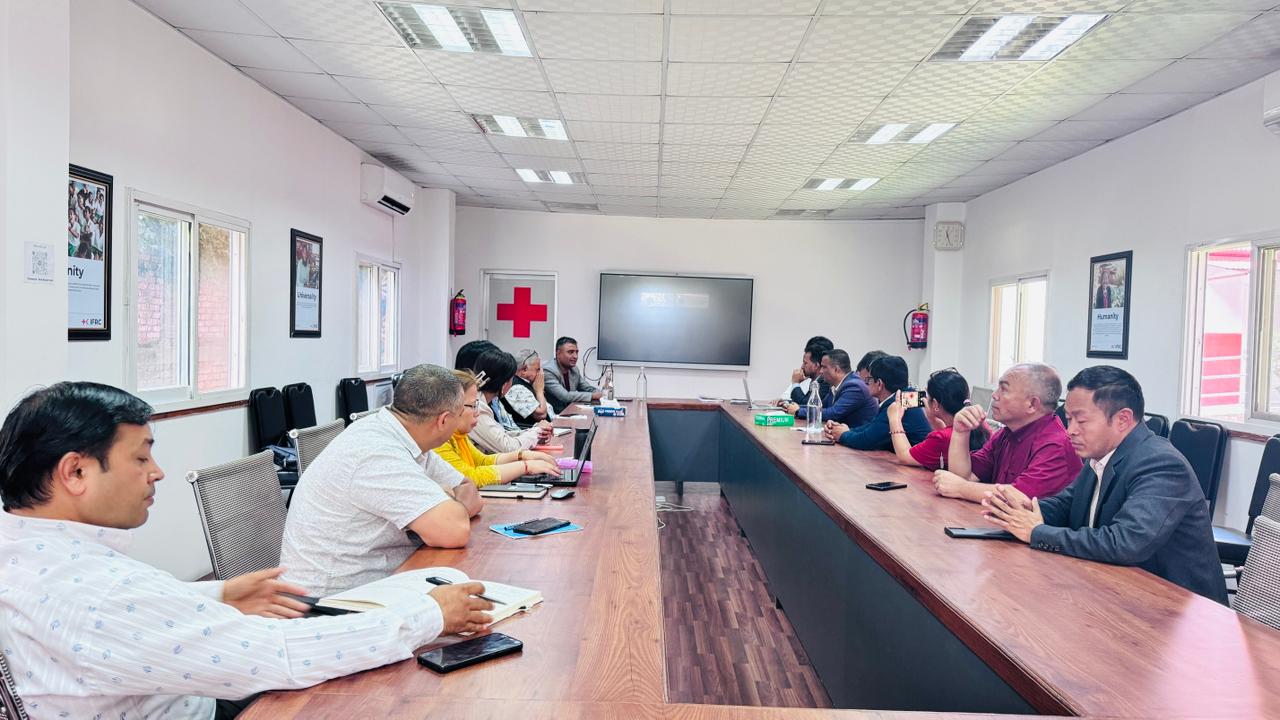
Key sessions emphasized the importance of GEDSI-responsive policies, intersectionality in disaster impacts, and inclusive data collection for resilience. Panelists from government agencies, UN Women, Nepal Red Cross, and local CSOs shared insights on policy gaps, budgeting challenges, and collaborative approaches for inclusive disaster management.
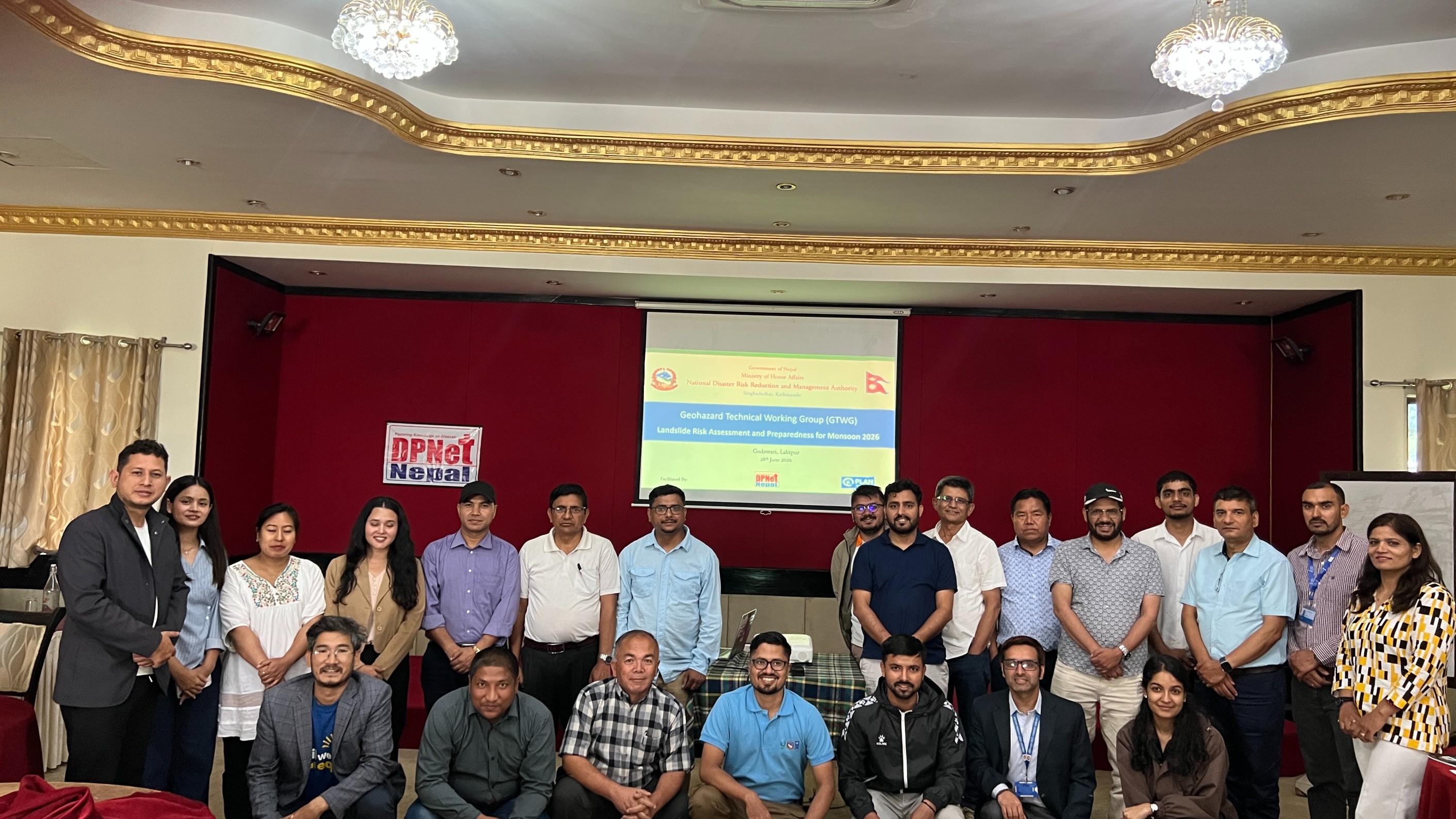
Participants highlighted that the training enhanced their understanding of GEDSI integration, exposed them to practical tools for vulnerability assessment, and enabled them to develop preliminary inclusive ward-level action plans. The training concluded with reflections, post-training assessments, and the distribution of certificates.