DPNet Nepal and NRCS Organizes Awareness Session on Nipah Virus
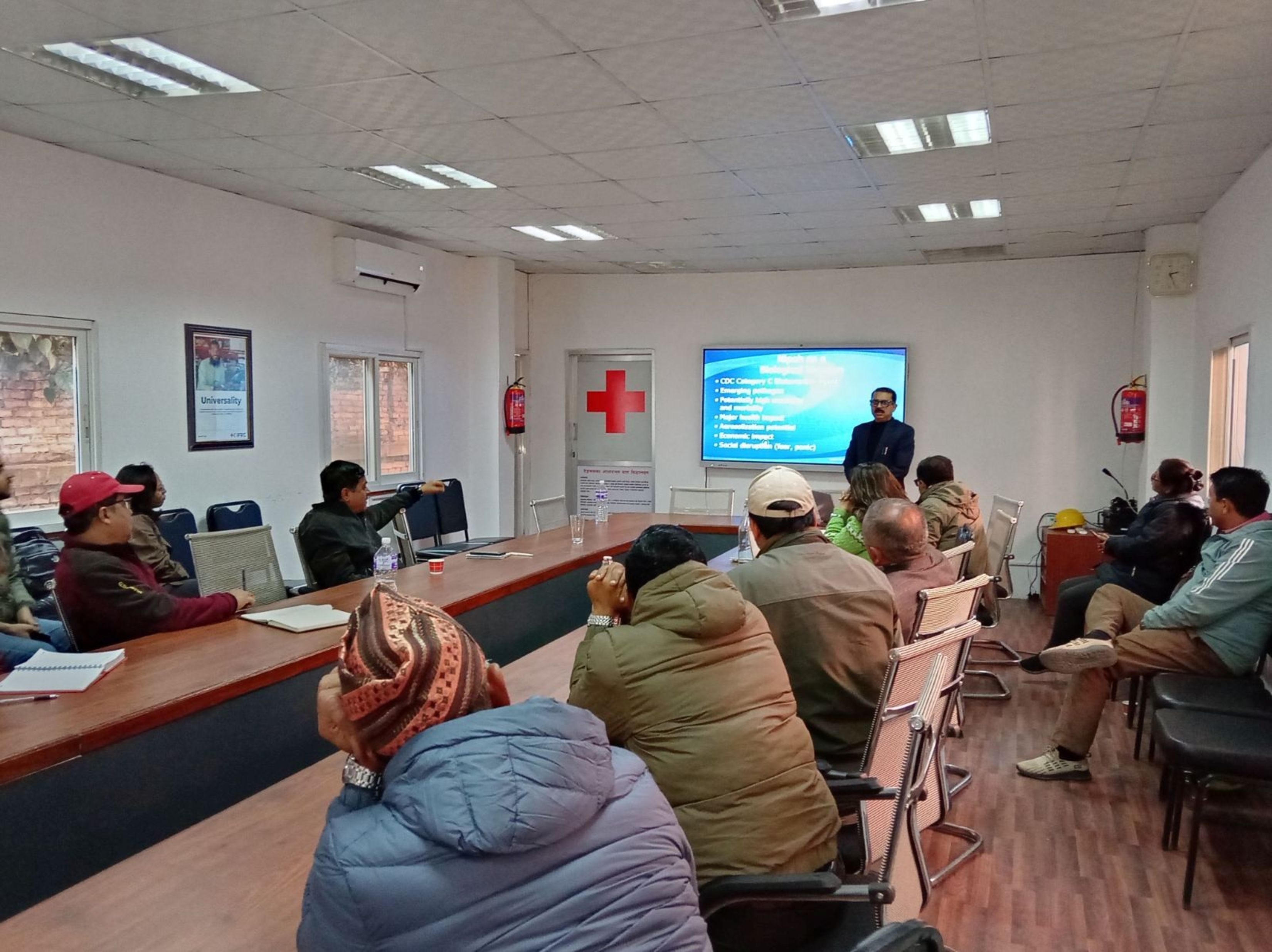
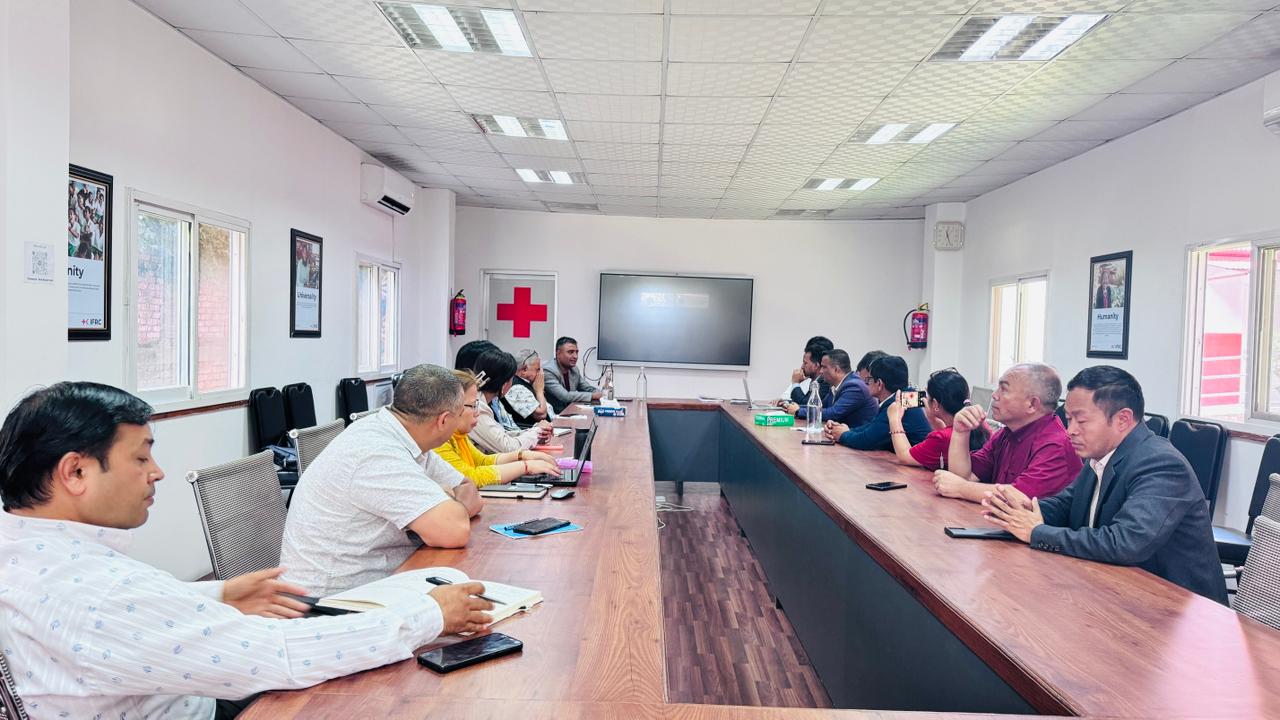
Kathmandu, February 3, 2026: DPNet Nepal, in collaboration with the Nepal Red Cross Society, organized an awareness and technical discussion session on Nipah Virus (NiV) at the Red Cross Periphery. The session was facilitated by Dr. Hemanta Chandra Ojha from the Ministry of Health and Population, Government of Nepal, focusing on emerging risks, transmission pathways, and preparedness measures related to the deadly zoonotic disease.
During the session, recent Nipah cases reported in West Bengal, India were highlighted, emphasizing the need for strengthened technical, practical, governmental, and organizational coordination in the region. Participants were informed that Nipah Virus was first identified in Malaysia in 1999, with transmission occurring from fruit bats to pigs and humans. Subsequent outbreaks were reported in Singapore through infected pigs transported from Malaysia, and in Kerala, India, in 2018, which resulted in 17 fatalities.
Dr. Ojha explained that the virus is transmitted through the urine and saliva of fruit bats, noting that nearly 75 percent of emerging infectious diseases originate from animals. He emphasized that Nipah infection leads to rapid health deterioration, with a mortality rate exceeding 40 percent. Common symptoms include fever, headache, encephalitis, respiratory distress, and neurological complications that can progress to coma within 24 to 48 hours. The incubation period ranges from 4 to 20 days, and treatment remains supportive, as no specific antiviral therapy is currently available.
The session underscored key prevention measures, including keeping fruit bats away from pigs and avoiding the consumption of unpasteurized or raw fruit juices. Discussions also focused on high-risk factors such as population density, cross-border travel, health system capacity, and modes of transmission, highlighting the importance of involving anthropologists to better understand socio-cultural behaviors.
Public health response strategies were shared, including sap collection interventions such as covering date palm trees with bamboo skirts to prevent bat contamination, community awareness campaigns, and ongoing surveillance efforts led by health authorities and the World Health Organization. Challenges such as cultural practices related to raw sap consumption and limited healthcare infrastructure in rural areas were also discussed.
The session concluded with a call for enhanced preparedness, coordination, and community engagement to reduce the risk of Nipah Virus outbreaks in Nepal.