Streamlining ReCAP Project Ouputs in Policy and Practice
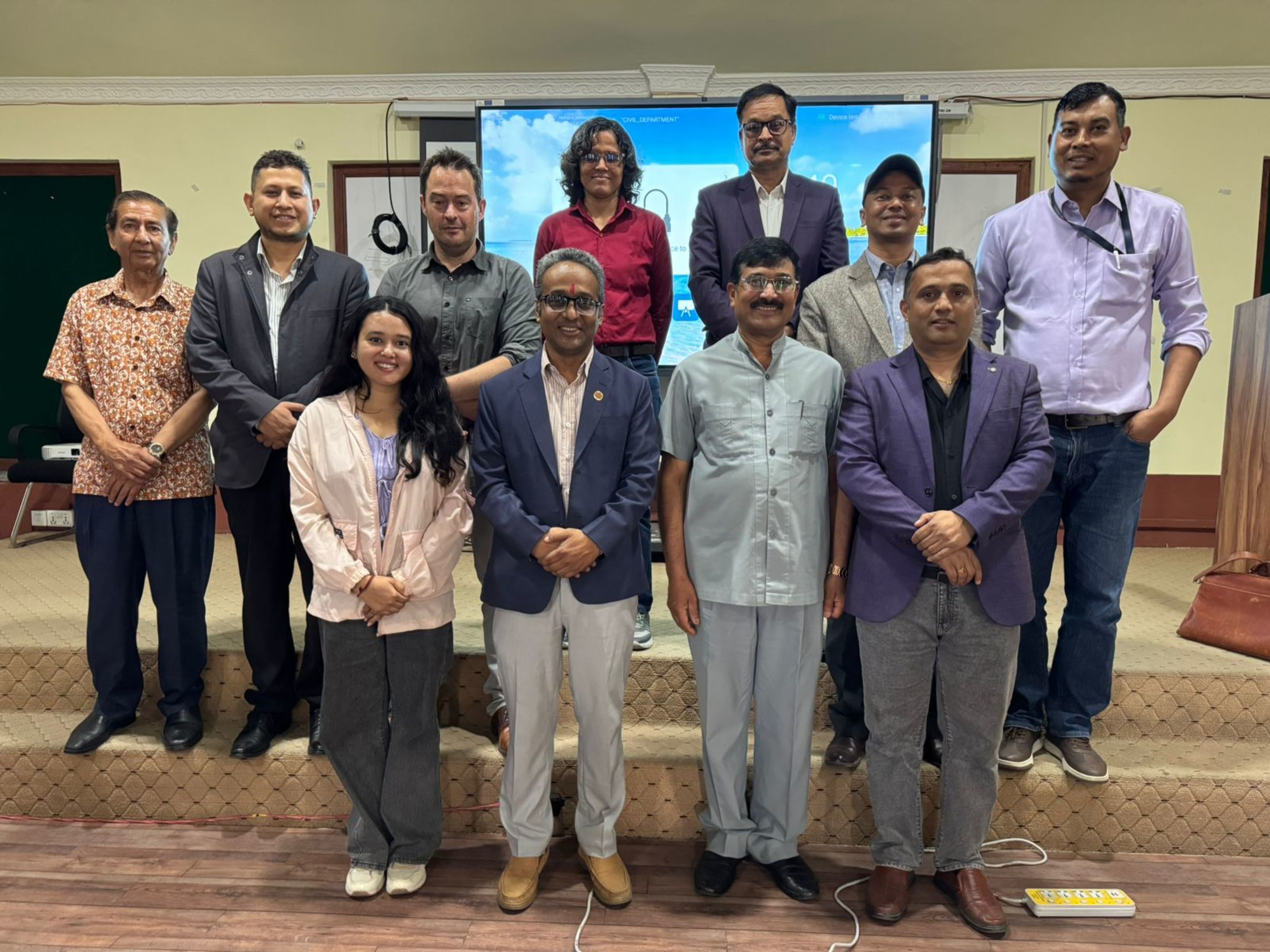
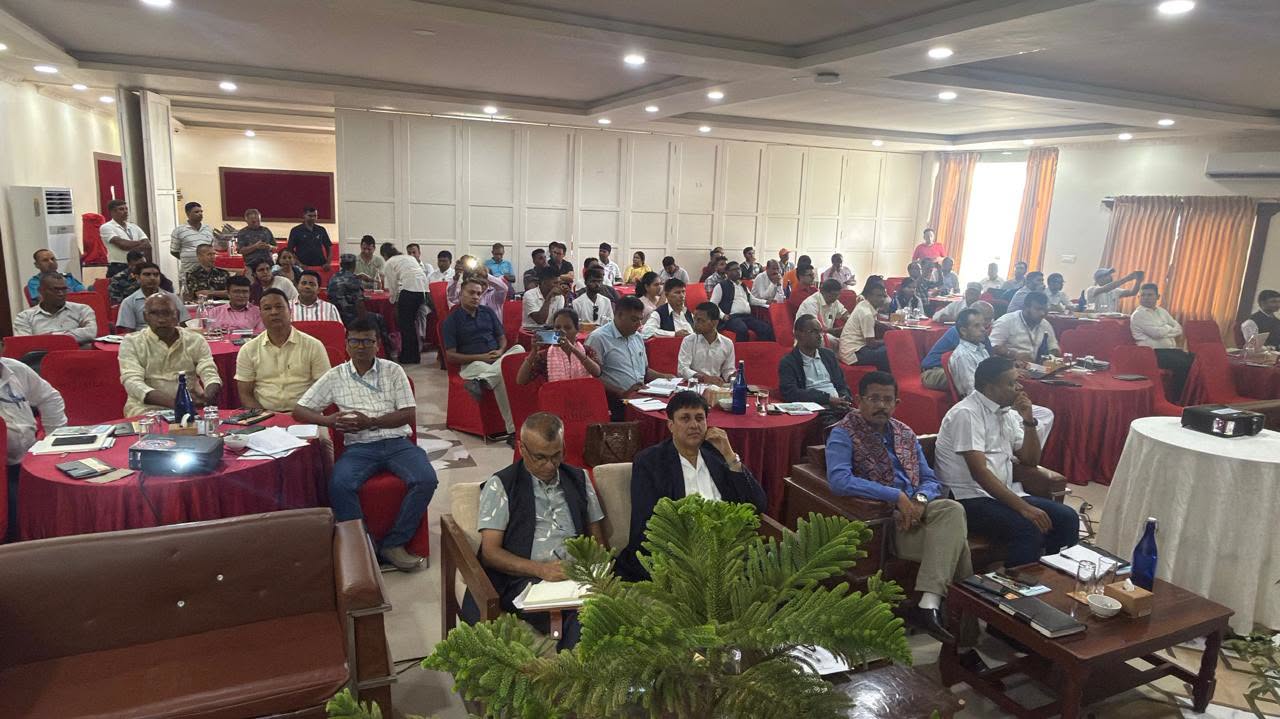
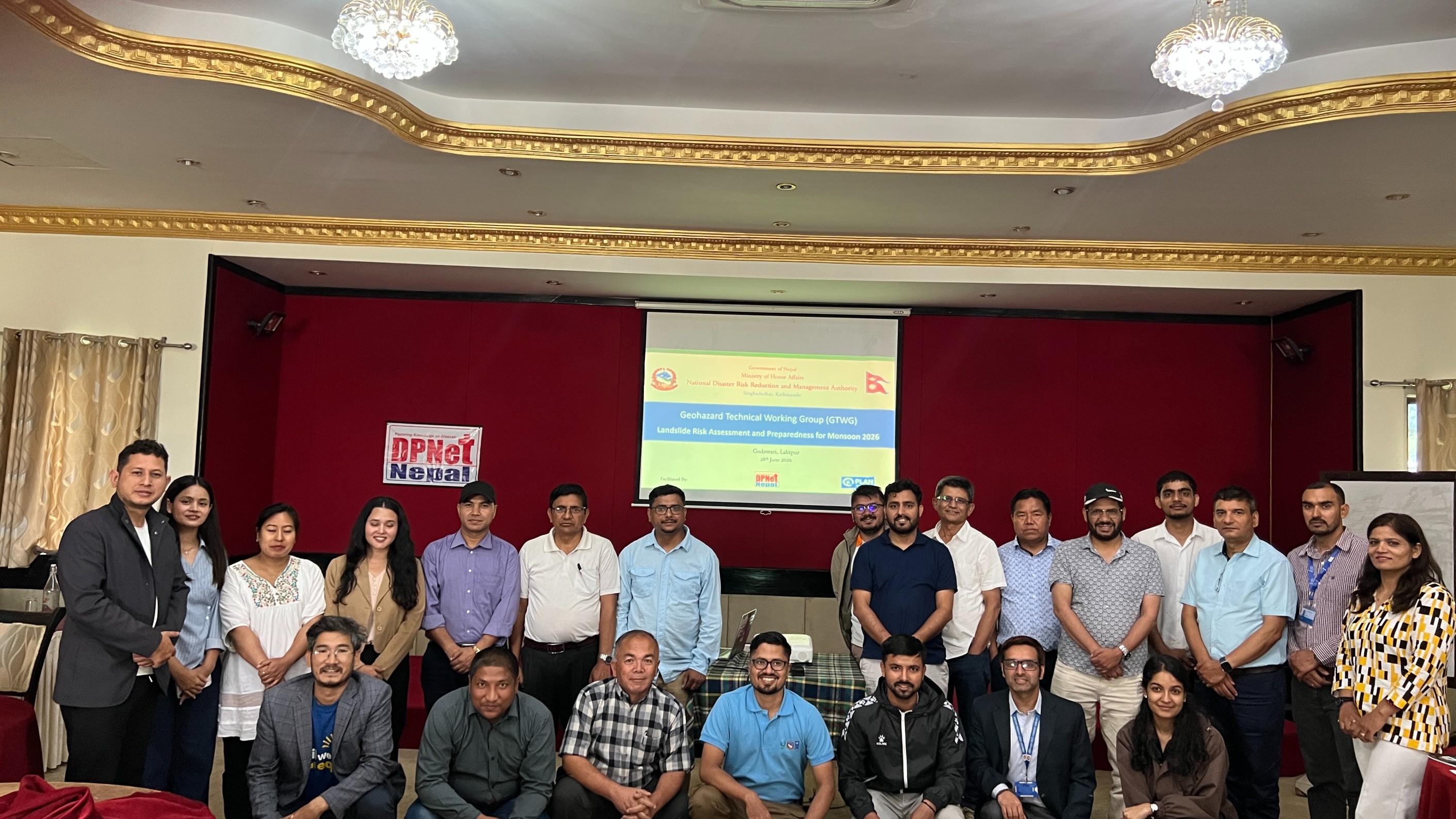
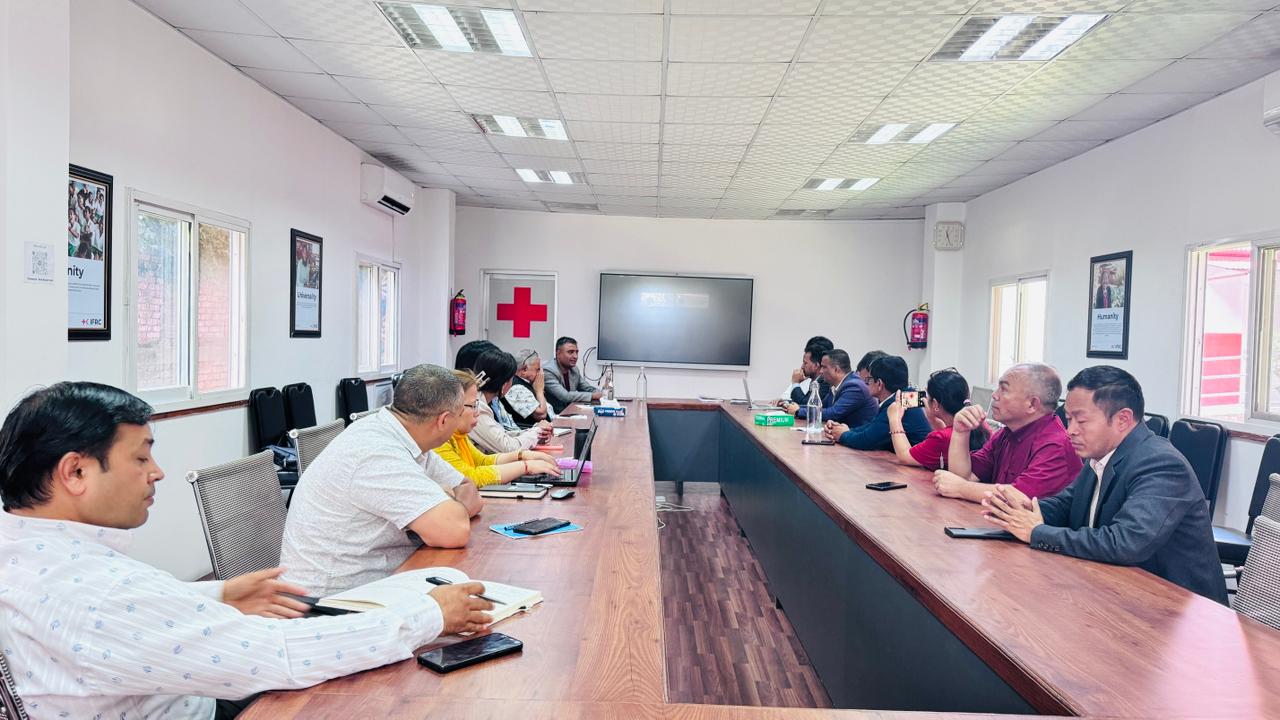
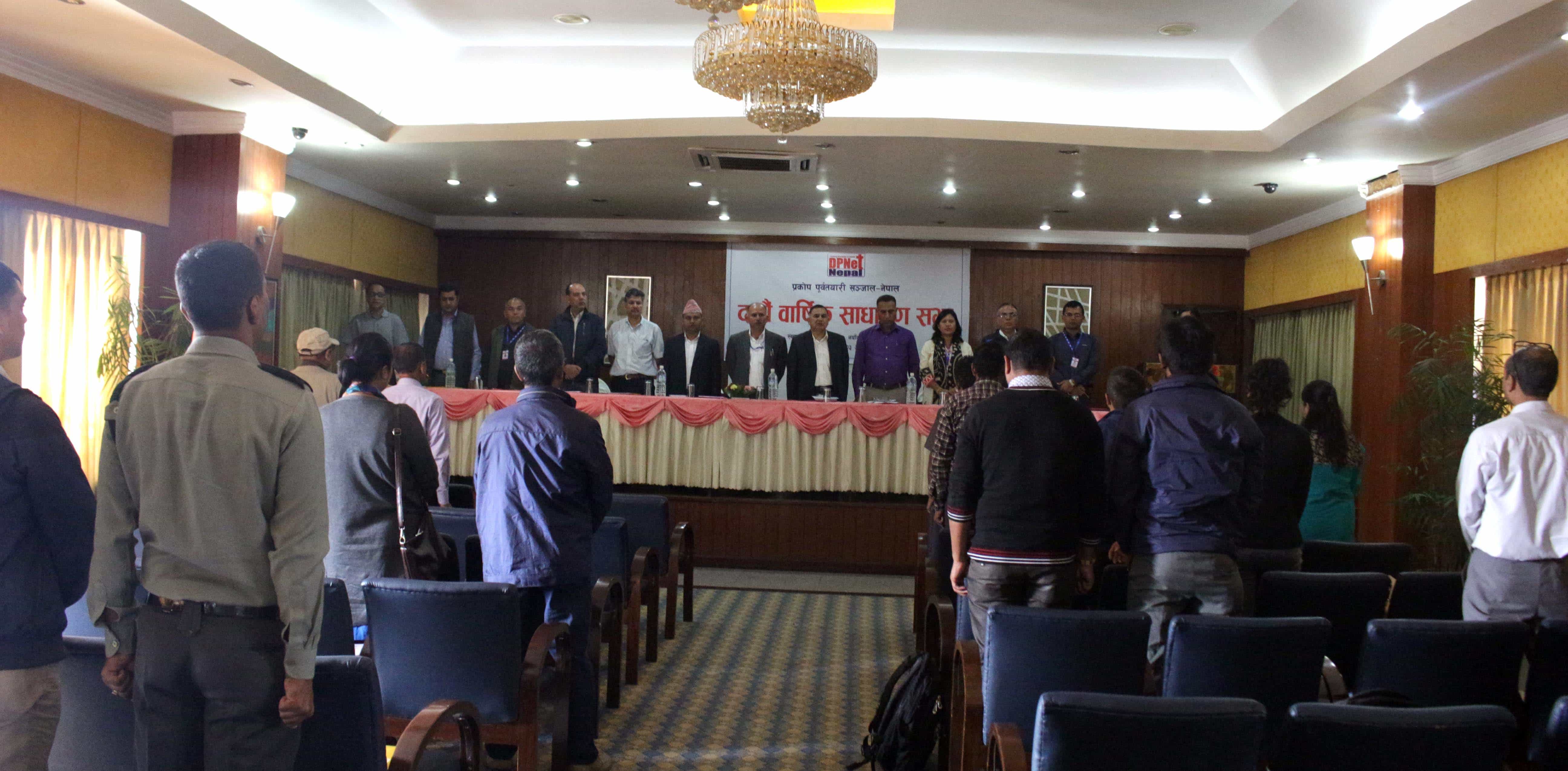
15th May 2026, Kathmandu, Nepal – The Swiss Consortium and DPNet jointly organized an interaction program titled “Streamlining ReCAP Project Outputs in Policy and Practice” at Burja Hall, Civil Engineering Department, Pulchowk Campus, bringing together national and international experts to strengthen collaboration on climate resilience and multi-hazard disaster risk reduction in Nepal.
Supported by the Swiss Agency for Development and Cooperation (SDC) Nepal under the ADB-led Asian Development Bank BARHKH initiative, the ReCAP project focuses on developing multi-hazard risk assessment and early warning systems across the Dudhkoshi and Arun river basins in Koshi Province to strengthen disaster preparedness, institutional capacity, and climate resilience.
The interaction convened key project partners, including the University of Geneva, University of Zurich, Tribhuvan University, Practical Action, alongside technical experts and stakeholders, to review project progress, discuss stakeholder priorities, and explore pathways to align scientific research outputs with policy and practice.
Discussions highlighted critical areas including data gap challenges, frontier technologies, multi-hazard risk hotspot mapping, citizen science approaches through schools, and community-centered early warning systems for hazards such as glacial lake outburst floods (GLOFs), avalanches, landslides, and rock-ice avalanche cascades.
The program emphasized the project’s three core pillars: Hazard and Risk Assessment, Multi-Hazard Early Warning Systems, and Emergency Preparedness and Response Planning (EPRP). Participants also reviewed progress on national and basin-scale hazard mapping, stochastic flood modelling, and integration with Nepal’s BIPAD Portal to strengthen disaster preparedness planning.
The interaction reaffirmed the importance of aligning ReCAP outputs with national and provincial disaster risk reduction frameworks under the leadership of National Disaster Risk Reduction and Management Authority and in collaboration with the Department of Hydrology and Meteorology.
DPNet expressed its strong commitment and enthusiasm to collaborate closely with the Swiss Consortium and all project partners in advancing this important initiative. The organization shared that it is pleased to contribute its expertise in policy advocacy, knowledge management, capacity building, and coordination to help scale innovative watershed-based approaches and translate research into practical action for safer and more resilient communities.
With implementation milestones extending through 2028, the ReCAP initiative is expected to strengthen Nepal’s capacity to address emerging multi-hazard risks and build resilient mountain communities through science-driven and collaborative solutions.