Political Parties Urged to Prioritize Disaster Risk Reduction in Their Election Manifestos
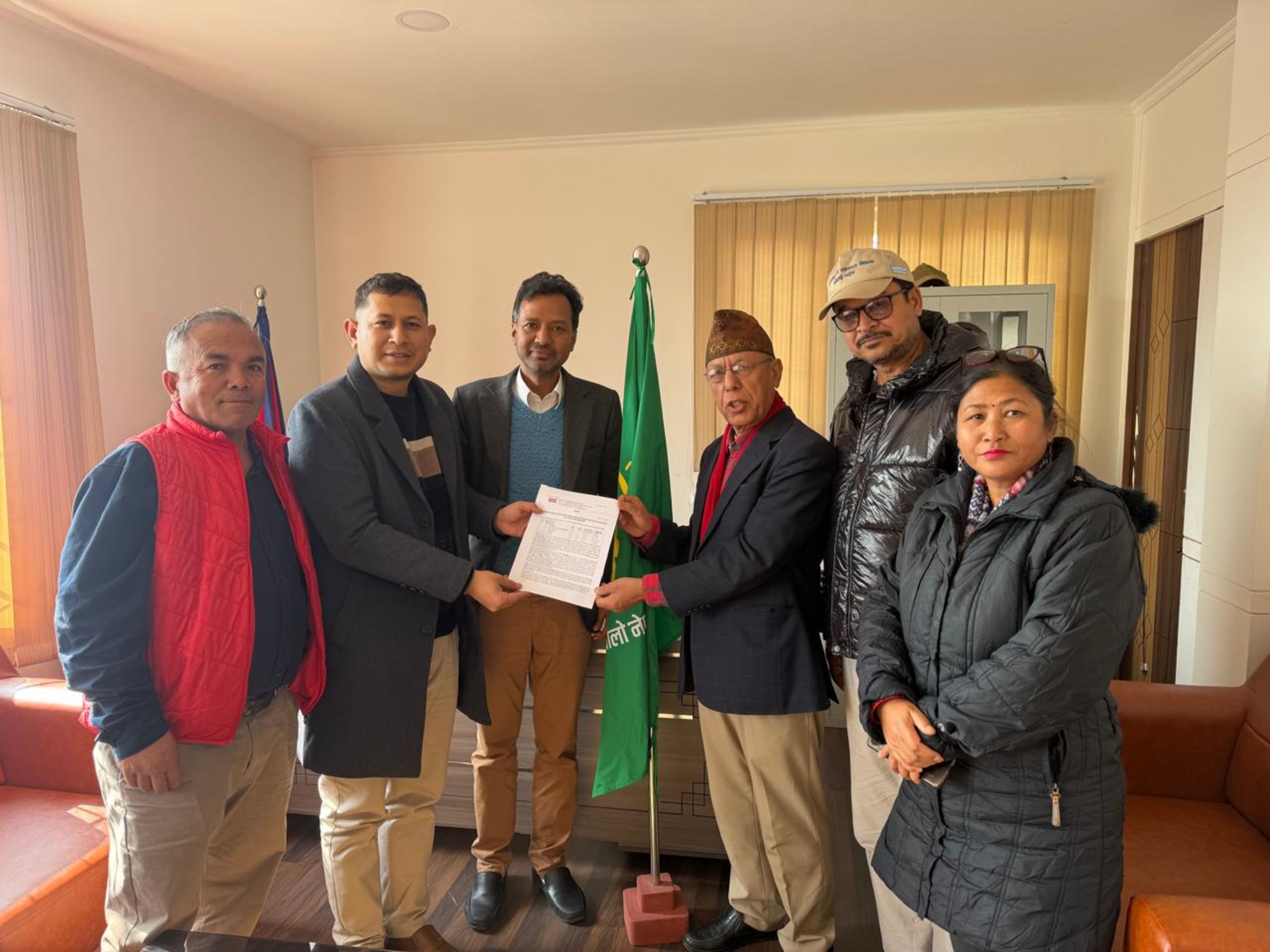
21 Magh 2082 (February 3, 2026): Kathmandu: Amid growing disaster risks and increasing human and economic losses across Nepal, Disaster Preparedness Network Nepal (DPNet) has called on political parties to prioritize Disaster Risk Reduction and Management (DRRM) in their election manifestos and in the policy agenda of the upcoming government.
In a press release, DPNet highlighted how the impacts of major disasters since the 2015 Gorkha earthquake have reached alarming levels. The earthquake alone claimed nearly 9,000 lives, destroyed more than 700,000 houses, and caused economic losses estimated at around NPR 700 billion. In the years that followed, floods, landslides, and other disasters have continued to cause significant devastation, with an annual average of more than 450 deaths and over 10,000 families affected.
Citing data from the National Disaster Risk Reduction and Management Authority (NDRRMA), the statement noted that Nepal experiences over 5,000 small and large disaster incidents every year, resulting in economic losses of nearly NPR 4 billion annually.
The press release further emphasized the growing threat of transboundary disaster risks, particularly in border regions. Flood events in the Bhotekoshi and Rasuwagadhi areas, triggered by upstream incidents in China, have demonstrated the urgent need for strengthened cross-border coordination, information sharing, and joint preparedness measures.
The press release further noted that the key factors driving the rising disaster risk in Nepal include limited preparedness, unsafe infrastructure, low public awareness, and insufficient prioritization of disaster risk reduction at the policy-making level. In response, political parties and independent candidates participating in the upcoming House of Representatives election have been urged to make disaster risk reduction and climate-resilient development central to their election commitments.
The press release proposes a 14-point commitment framework, calling for the mainstreaming of disaster risk education within formal education systems, promotion of risk-sensitive infrastructure development, strengthening of community-based preparedness mechanisms, establishment of local search and rescue teams, enhanced cross-border coordination, adequate budget allocation, expansion of disaster insurance schemes, and provision of subsidies for disaster-resilient housing construction, among other key measures.
As part of the consultation and drafting process, DPNet Nepal circulated a request titled “DPNet Nepal Calls for Expert Inputs to Integrate DRR and Climate Agendas into Political Party Manifestos” among its advisors, members, and broader network through Virtual platform, Group Email and WhatsApp groups. DPNet would like to express sincere appreciation for the valuable suggestions and inputs received through this process. Special acknowledgment was extended to Advisors Mr. Gehendra Gurung and Mr. Dinanath Bhandari for taking the overall lead in finalizing the document, with coordination support provided by Treasurer Ms. Amika Rajthala and General Secretary Mr. Suraj Gautam.
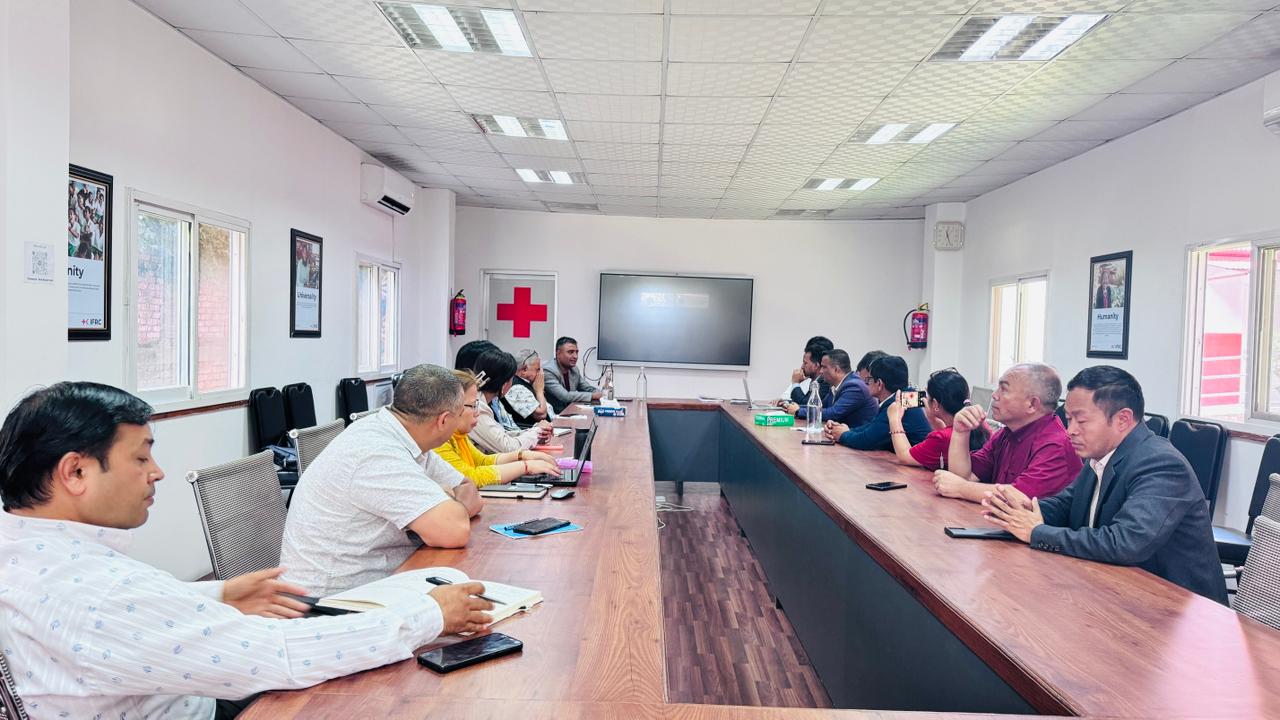
As part of its advocacy efforts, DPNet formally submitted a Formal Request Letter/Memorandum containing the 14-point agenda/proposal to the manifesto preparation committees and office secretaries of major political parties, including CPN (UML), Nepali Congress, Rastriya Swatantra Party (RSP), and Ujyalo Nepal Party. The delegation was led by DPNet Nepal Vice President Mr. Keshav Datt Bhatt, General Secretary Mr. Suraj Gautam, Deputy General Secretary Mr. Harshaman Maharjan, and Treasurer Ms. Amika Rajthala. The team visited the party office and shared the proposal with Mr. Mukesh Jha, Office Secretary of RSP; Dr. Raju Thapa, Spokesperson, and Mr. Kedar Khadka, Central Committee Member and Manifesto Drafting Committee Coordinator at the Ujyalo Nepal Party; Dr. Bhishma Adhikari, Office Secretary of CPN (UML); and Mr. Prem Bishwakarma, Office Secretary of the Nepali Congress. Additionally, DPNet has officially communicated the recommendations to other political parties via email, requesting their consideration and inclusion in upcoming election manifestos.
Through the statement, DPNet Chairperson Dr. Basanta Raj Adhikari urged political leadership to move beyond a relief- and rescue-centric approach and instead adopt long-term vision, policies, investments, and effective implementation strategies to transform Nepal into a disaster-resilient nation.
Here is the link to the 14-point Agenda for Maifesto of Political Parties.