DPNet Nepal Participates in 2026 First Quarter Meeting of SPHERE Focal Points from Asia
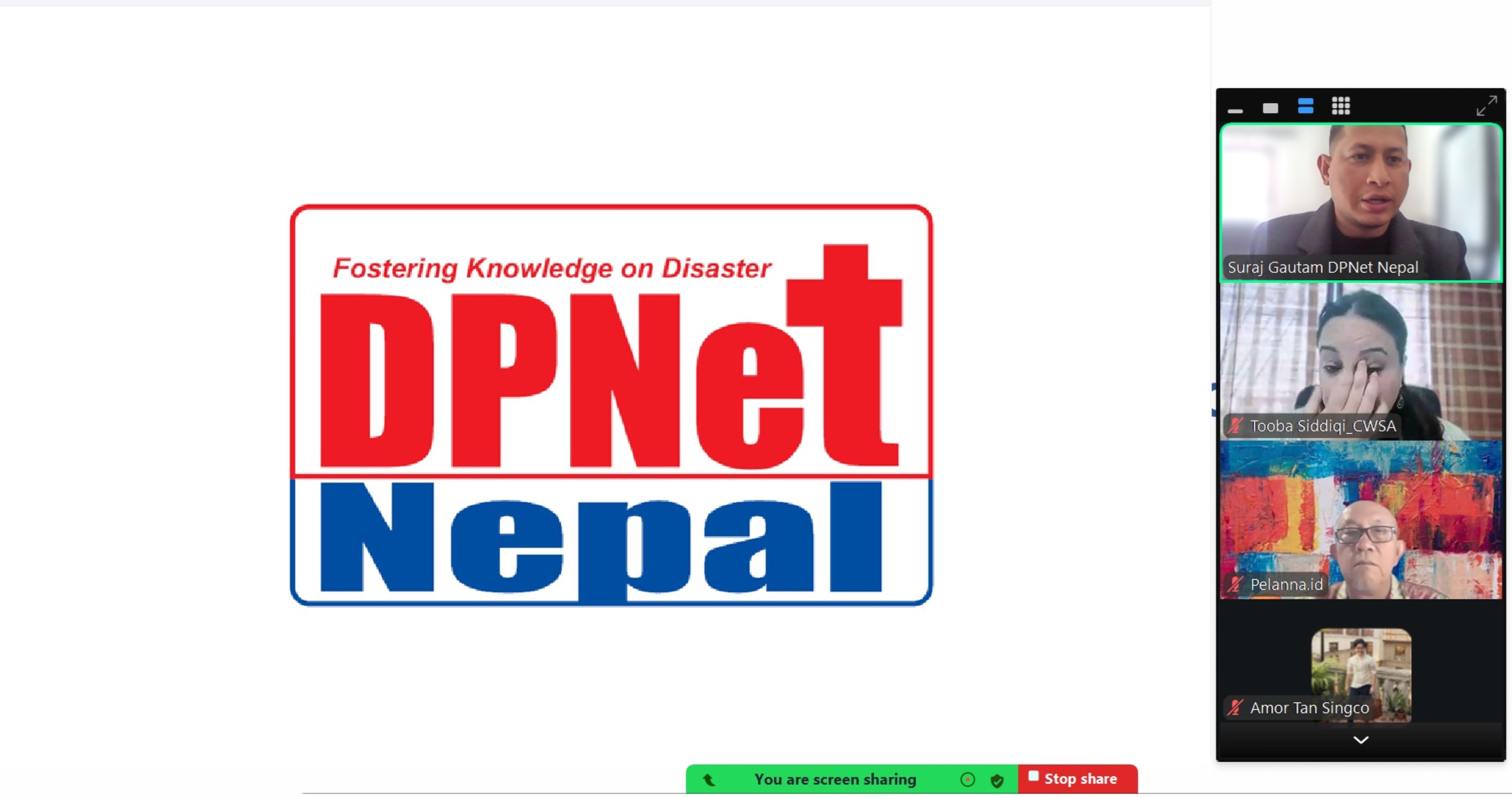
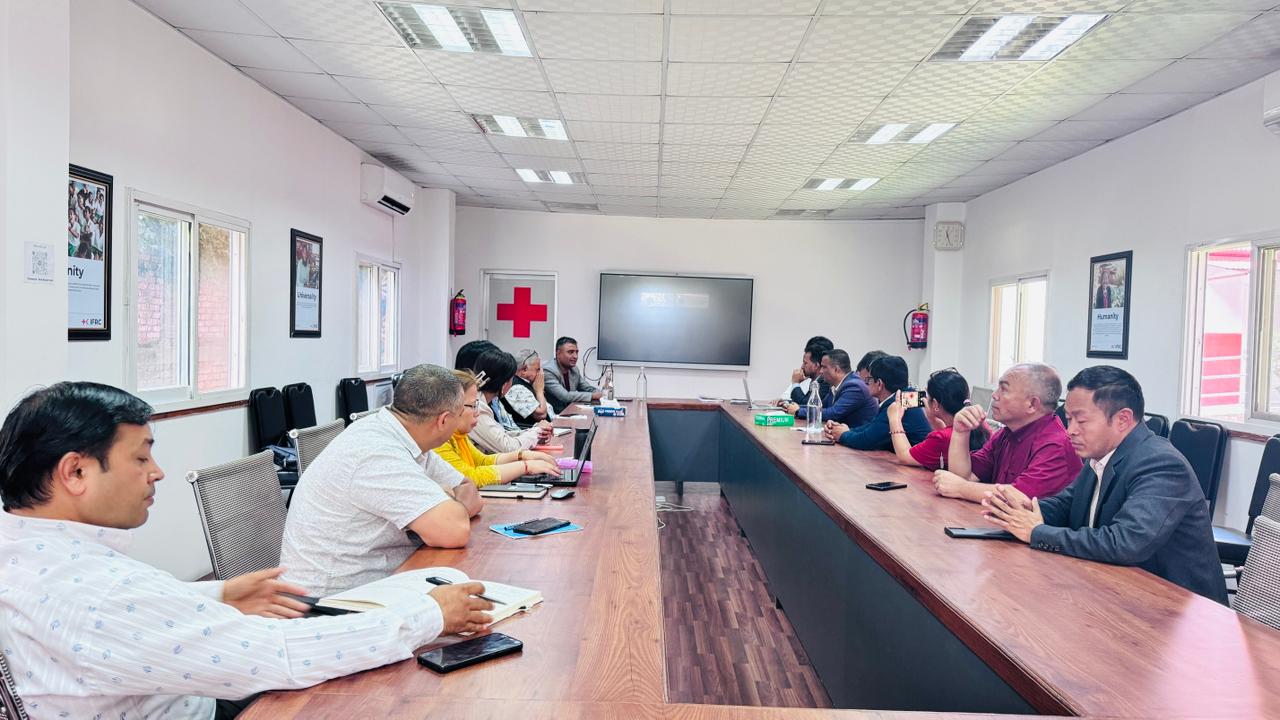
3 February, 2026: Kathmandu, Nepal : DPNet Nepal, the official SPHERE Focal Point for Nepal, actively participated in the First Quarter Meeting of SPHERE Focal Points from Asia, bringing together representatives from regional and international organizations including COAST, CWSA, Oxfam Hong Kong, and focal points from Japan, Indonesia, Bangladesh, Nepal, and other countries.
The meeting served as an important platform for sharing experiences, strengthening regional coordination, and advancing the application of SPHERE standards across diverse humanitarian contexts in Asia.
Representing DPNet Nepal, General Secretary Mr. Suraj Gautam shared key updates on DPNet’s ongoing efforts to strengthen disaster risk reduction (DRR) systems across the country. He highlighted that DPNet is currently working in all seven provinces of Nepal and is coordinating the formation of seven Provincial Disaster Risk Reduction Platforms, aligning with a whole-of-society approach by engaging government agencies, civil society, humanitarian actors, the private sector, and community stakeholders.
Mr. Gautam also emphasized DPNet’s plans to strengthen collaboration with academic institutions, including conducting dedicated SPHERE training and learning sessions to promote evidence-based humanitarian practice and institutionalize SPHERE standards in academic and professional settings.
During the meeting, DPNet shared its extensive work on the dissemination and localization of the SPHERE Handbook in Nepal, including human resource development initiatives and the production of innovative awareness materials such as localized SPHERE documents, folk songs, and community dramas to promote humanitarian standards in culturally appropriate ways.
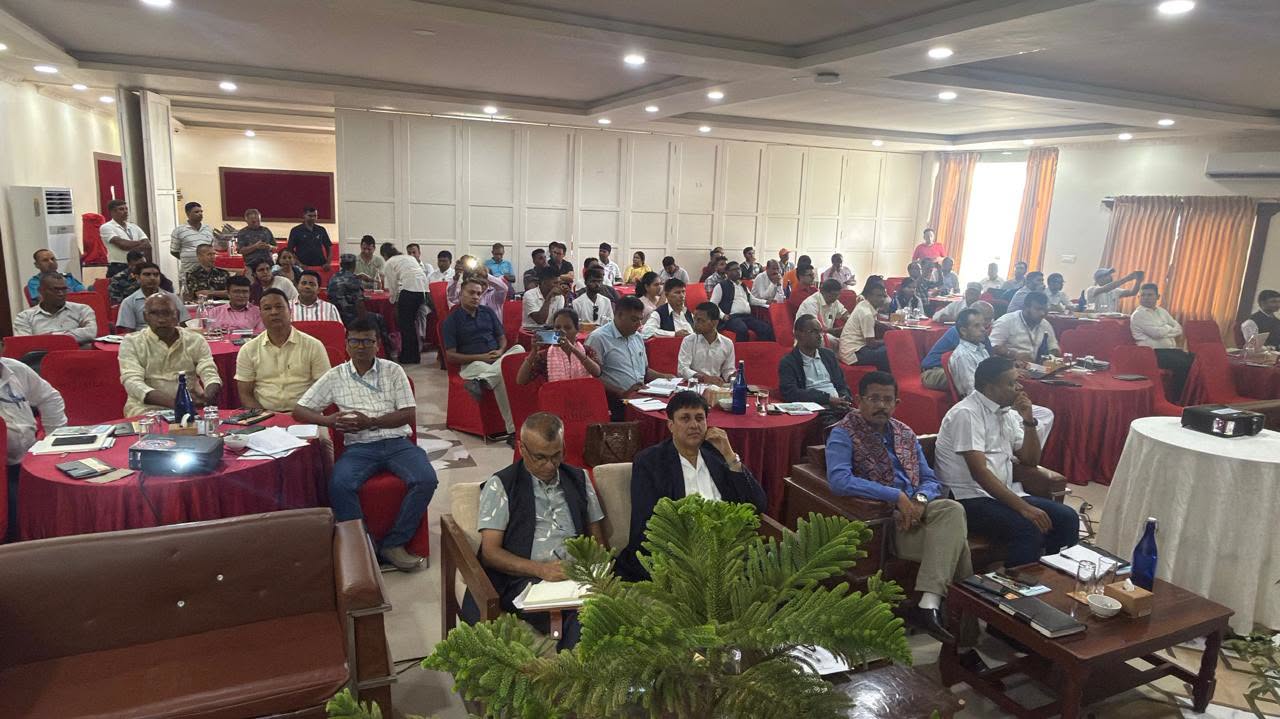
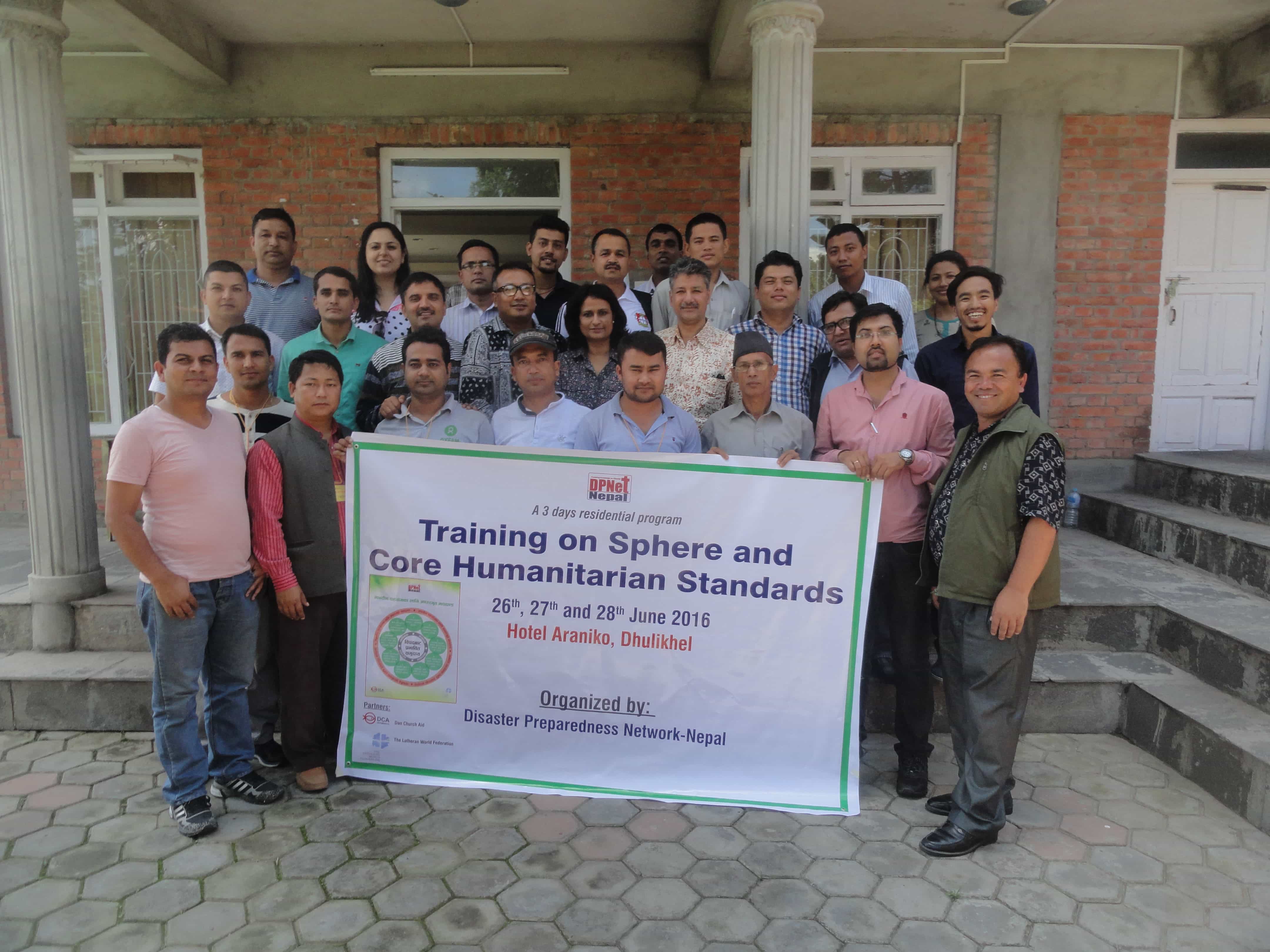
In addition, Mr. Gautam highlighted the activities from 2025, including Orientation Session on the SPHERE Standards and the Core Humanitarian Standard (CHS) conducted on March 19, 2025, in Biratnagar. The program was organized by DPNet Koshi Province in coordination with LCWS, LWF Nepal, Caritas Nepal, SN-JD, and JIDS, and brought together key stakeholders from government, civil society, and humanitarian organizations working in disaster preparedness and response in Koshi Province. Furthermore, DPNet, in collaboration with SPCSN, has been providing policy-level recommendations for strengthening Nepal’s Social Relief and Support Program (SRSP) Standards. DPNet noted that the current SRSP food assistance standard of 2,236 kilocalories exceeds the globally recognized SPHERE standard of 2,100 kilocalories, and shared insights on aligning national standards with international best practices while maintaining contextual relevance.
Through its participation in the regional SPHERE focal points meeting, DPNet reaffirmed its commitment to advancing quality, accountability, and people-centered humanitarian action in Nepal and across the region throughout 2025 and beyond.