DPNet Participates in the Regional Humanitarian Partnership Week 2025
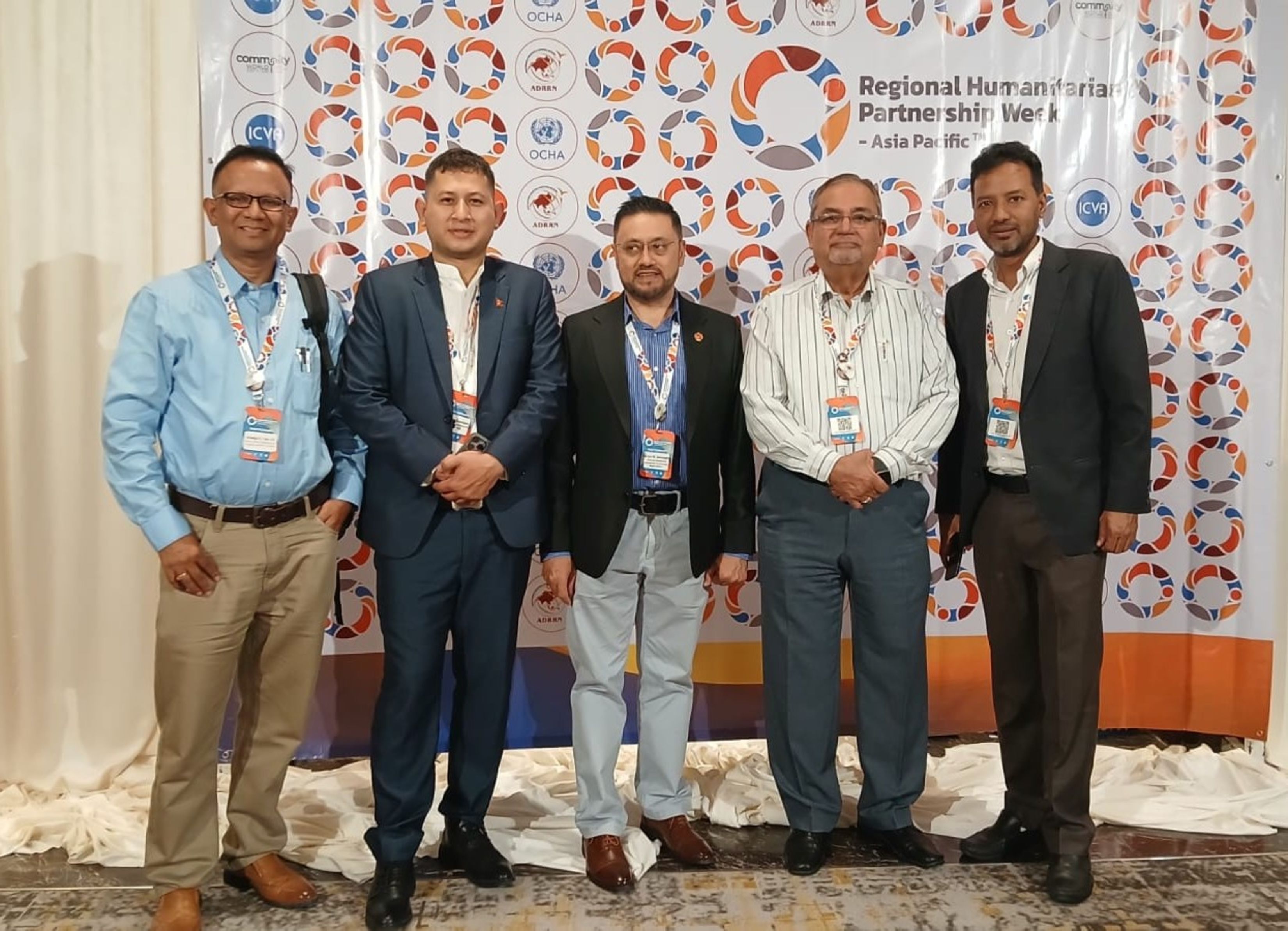
Bangkok, December 10, 2025 - The Asian Disaster Reduction and Response Network (ADRRN), Community World Service Asia (CWSA), the International Council of Voluntary Agencies (ICVA), and the United Nations Office for the Coordination of Humanitarian Affairs (UNOCHA) co-organised this year’s RHPW under the theme Beyond Emergencies: Reframing Humanitarianism for a Changing World. The event brought together 517 aid practitioners, from 279 organisations and 38 countries, representing the civil society, governments, UN agencies, private sector partners, academics, and crisis-affected community leaders from across Asia and the Pacific.
DPNet participated in the Regional Humanitarian Partnership Week (RHPW) Asia Pacific 2025, held from December 8–10, under the theme “Reframing Humanitarianism for a Changing World.” The event brought together members of the Asian Disaster Reduction and Response Network (ADRRN) and partners from across the Asia-Pacific region to discuss innovative approaches to humanitarian action in a rapidly changing world.
Amid a year marked by shrinking resources, climate shocks, and overlapping crises, RHPW 2025 focused on what the humanitarian sector can do differently. Key discussions addressed shifting power and resources to local actors, connecting climate and humanitarian responses, rethinking financing models, and using data and technology responsibly to make aid more effective and accountable.
DPNet’s presentation, “The Kathmandu Covenant in Action: Localisation for Solidarity and Agency,” highlighted the growing role of local leaders in transforming humanitarian aid. The session unveiled the Kathmandu Covenant, a bold charter forged by Asia-Pacific civil society leaders in Kathmandu to drive systemic change.
The session explored whether the future of aid is truly local, emphasizing strategies for reclaiming agency and turning humanitarian assistance into acts of solidarity rather than charity. DPNet Nepal shared insights on strengthening national coordination and accountability, highlighting the importance of South-to-South cooperation in empowering local communities to lead and shape humanitarian responses.
Attendees were invited to actively engage in the movement, which promotes unified action and collaboration among local actors across the region. The workshop demonstrated that localized leadership, accountability, and solidarity are essential for creating a more resilient and equitable humanitarian sector.
RHPW 2025 underscored the need for innovative approaches, partnerships, and local empowerment as the humanitarian sector navigates complex crises, reinforcing that the future of aid lies in the hands of local communities and leaders.