NAXA and DPNet Nepal Sign MoU to Promote Data-Driven Disaster Response in Nepal
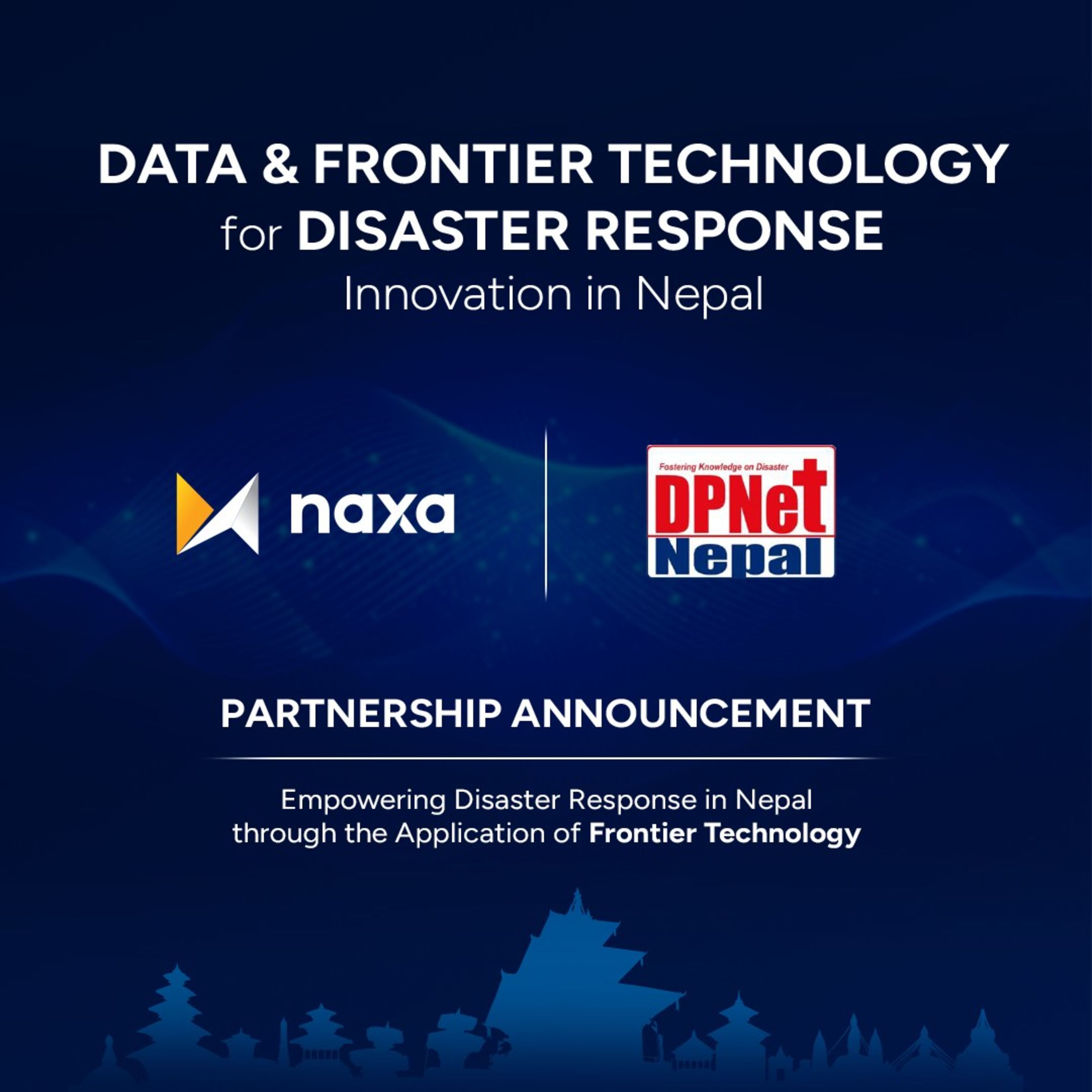
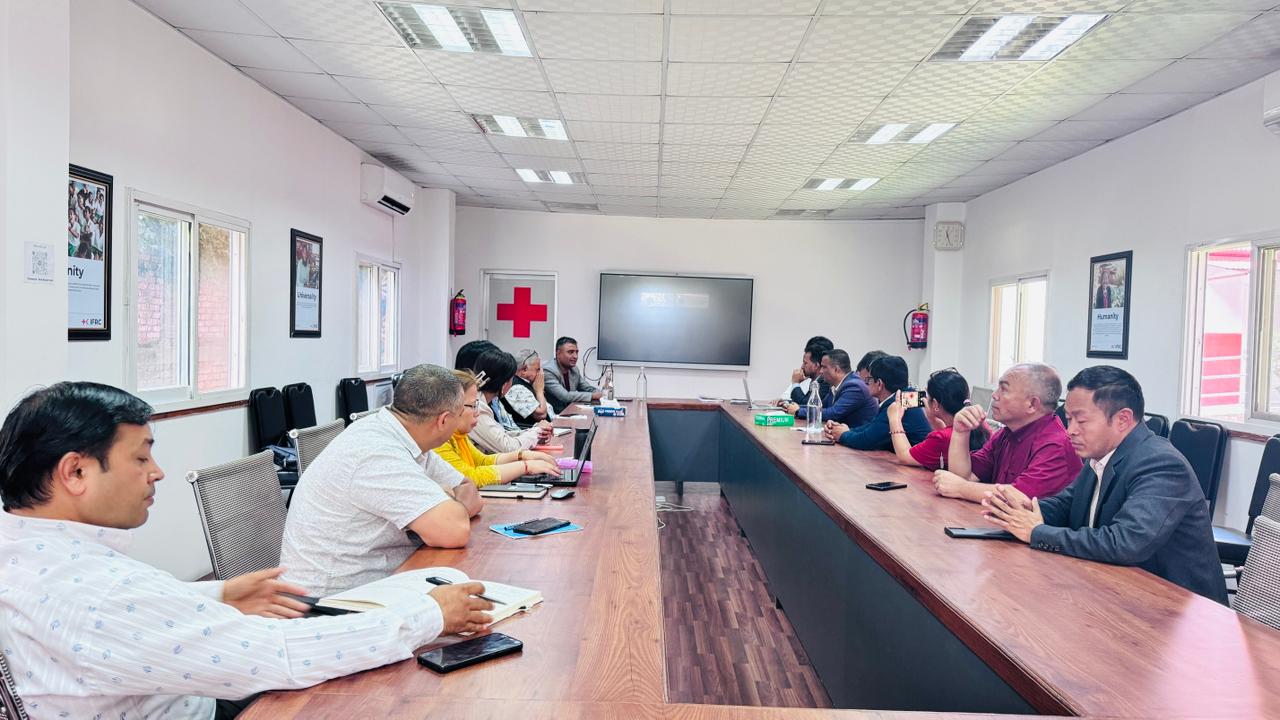
Kathmandu, Nepal: NAXA and Disaster Preparedness Network Nepal (DPNet Nepal) have signed a Memorandum of Understanding (MoU) to strengthen disaster response in Nepal through the use of data, digital innovation, and frontier technologies.
The partnership aims to explore how emerging technologies such as drone mapping, geospatial data, and digital tools can support more effective and evidence-based disaster preparedness and response mechanisms across the country.
Under the agreement, NAXA and DPNet Nepal will jointly organize a series of workshops, webinars, and research initiatives focused on technology-driven disaster management.
One of the major planned activities includes a workshop titled “Drone Technology for Disaster Response in Nepal: Applications, Data Gaps, and Opportunities for Collaboration,” which will bring together stakeholders to discuss the use of drones and aerial data in emergency response operations.
The collaboration will also feature a regional webinar on “Frontier Technologies for Disaster Response in Asia-Pacific: Current Status, Challenges, and Opportunities,” aimed at sharing experiences, innovations, and lessons from across the region.
In addition, the two organizations will organize another workshop titled “Data, Technology and Disaster Response in Nepal: Building a Shared Future Action Agenda,” focusing on strengthening collaboration among government agencies, researchers, humanitarian actors, and technology experts.
As part of the initiative, NAXA and DPNet Nepal will jointly publish research studies, including “Disaster Response Data and Technologies: Landscape Review and Stakeholder Research Priorities in Nepal” and “Landscape of Drone Data Use in Disaster Response.” The studies are expected to provide insights into existing technological practices, data gaps, and future priorities in Nepal’s disaster management sector.
The partnership is further supported through NAXA’s ongoing collaboration with international academic institutions, including The University of Manchester and EPFL (École Polytechnique Fédérale de Lausanne).
Representatives from both organizations stated that the collaboration reflects a shared commitment to promoting innovation, strengthening resilience, and improving disaster response systems through technology and multi-stakeholder cooperation.
The organizations have also invited researchers, practitioners, development partners, and interested stakeholders to engage with and contribute to the planned initiatives.