Data, Technology and Disaster Response in Nepal: Building a Shared Future Action Agenda
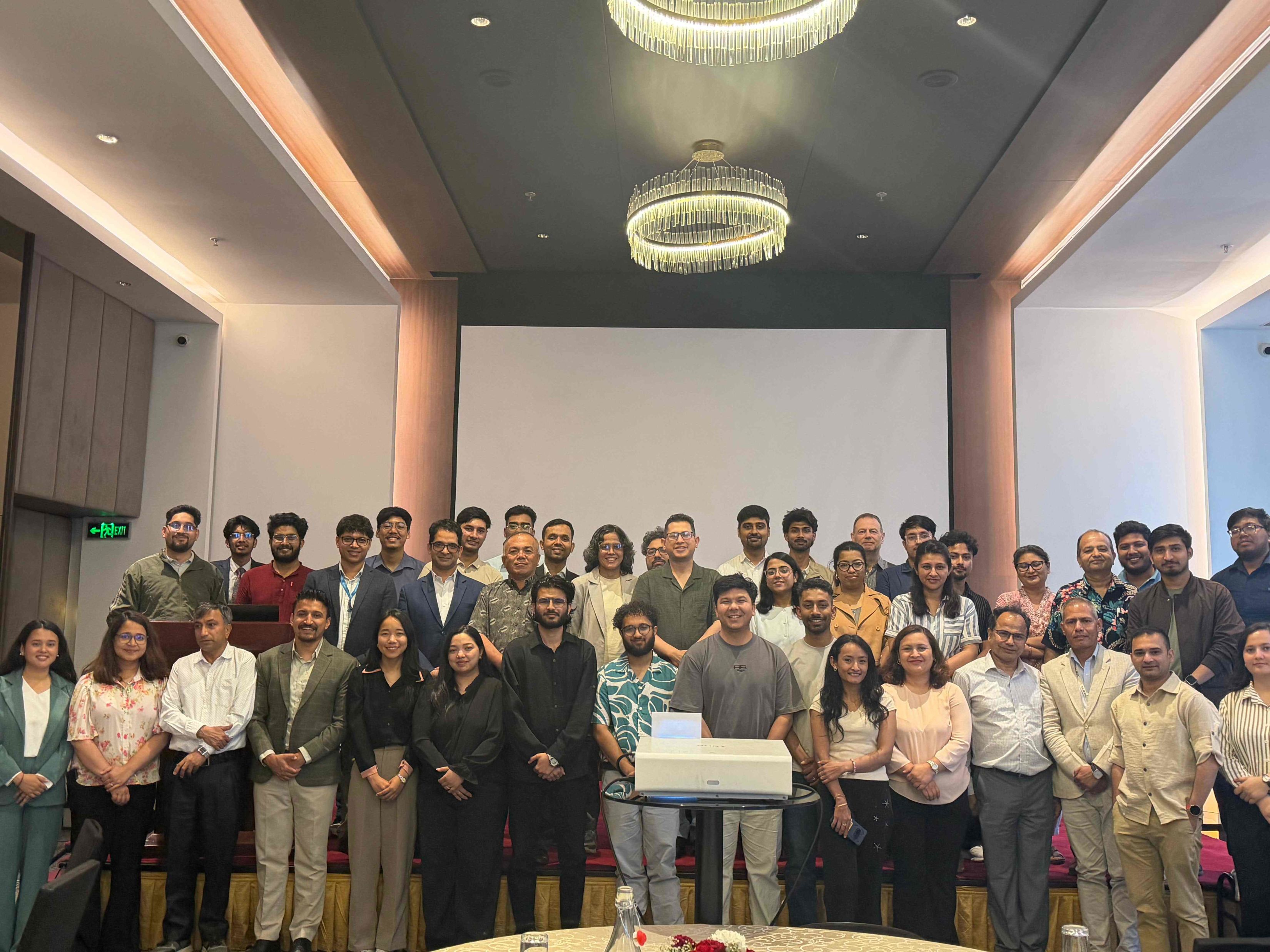
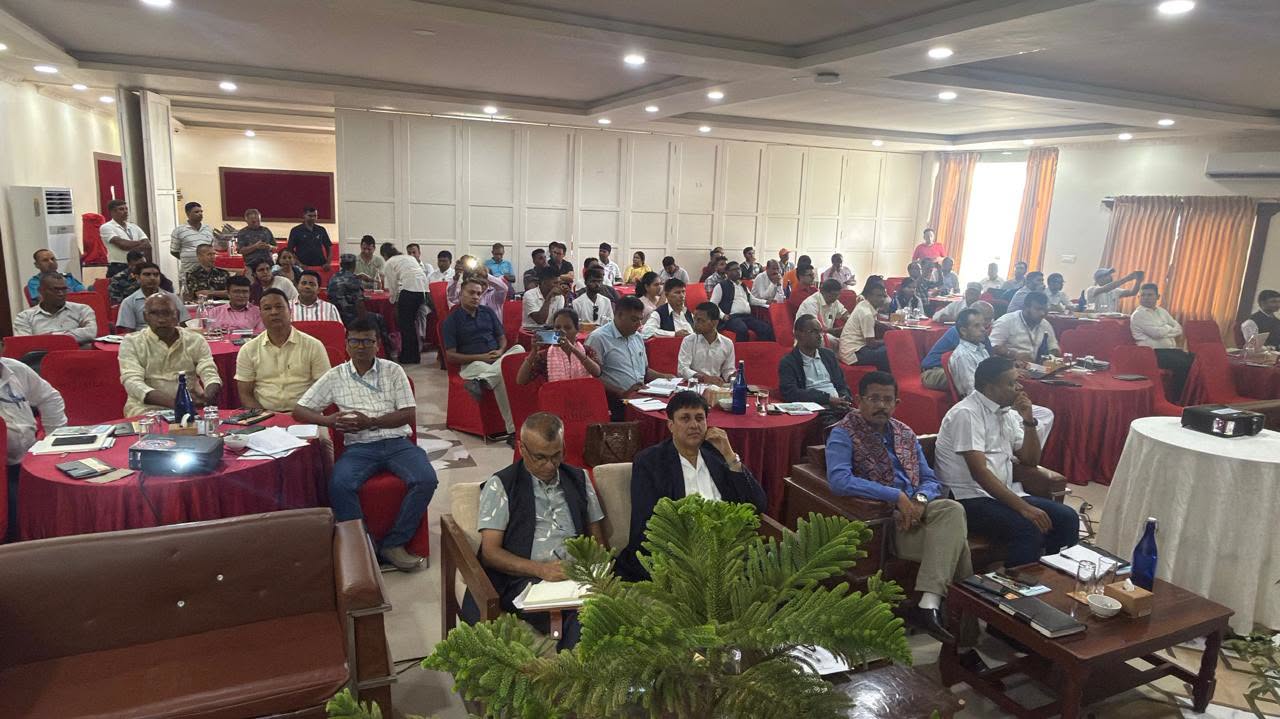
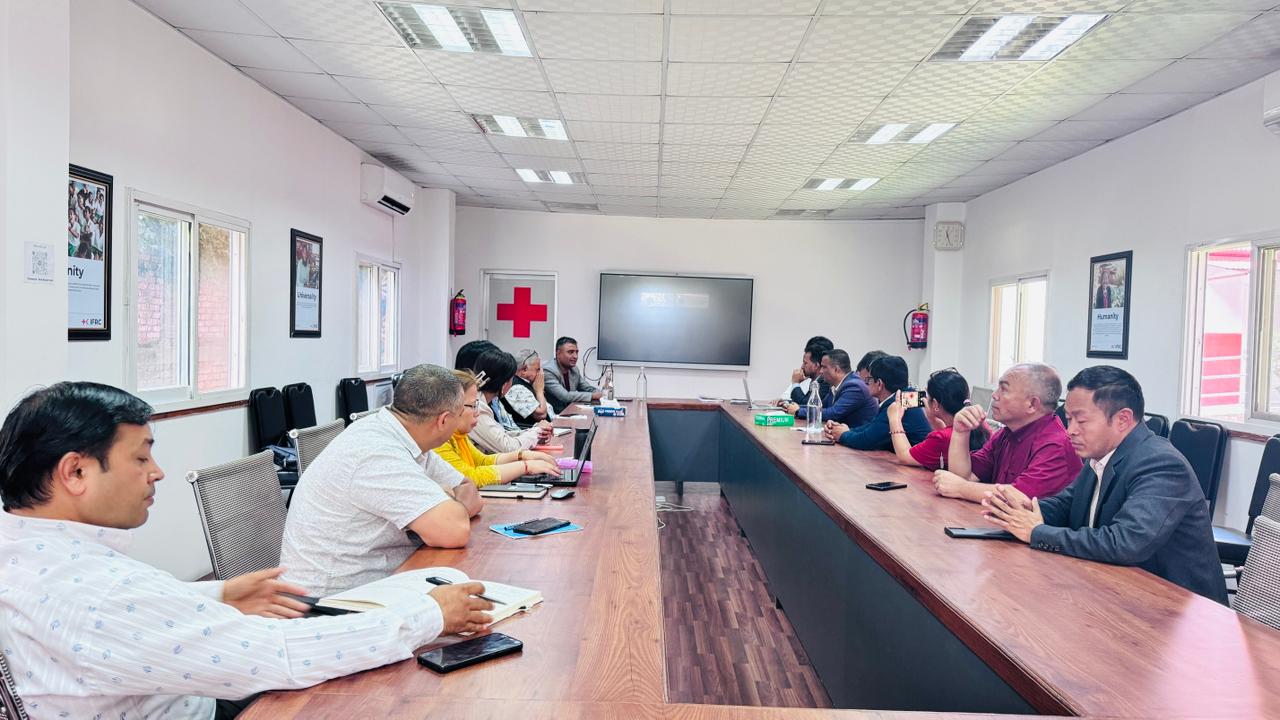
May 25, 2026, Kathmandu, Nepal: More than 30 representatives from NGOs, INGOs, academia, government institutions, and the technology community came together for a multi-stakeholder workshop on “Data, Technology and Disaster Response in Nepal,” aimed at exploring how data and innovation can strengthen disaster preparedness and response systems in Nepal.
The workshop was co-led by University of Manchester, NAXA, and DPNet, with leadership from Professor Richard Heeks, bringing together diverse perspectives and expertise to shape a shared future action agenda for technology-enabled disaster resilience.
Participants reflected on key challenges and opportunities in Nepal’s disaster response landscape. Discussions highlighted that while Nepal has substantial disaster-related data, data sharing and interoperability remain major barriers. The workshop also noted that local government capacities have improved, but these systems are yet to be fully tested during large-scale disaster events.
A major takeaway was the need for demand-driven technology solutions that respond to the real needs of disaster-affected communities rather than organization-driven interventions. Participants also acknowledged Nepal’s growing experience in piloting frontier technologies such as drones, artificial intelligence, and virtual reality for disaster response, while recognizing the urgent need for institutionalization and scaling.
The discussion further emphasized the importance of documenting lessons learned from past disasters and ensuring that knowledge is transferred into future planning and practice.
DPNet expressed its commitment to collaborating with partners to strengthen innovation, knowledge sharing, and coordination in disaster response. The organization also welcomed collaboration on developing a national inventory of data and technologies used in disaster response in Nepal, which will support evidence-based decision-making and strengthen resilience-building efforts across the country.
The Under Secretary of National Disaster Risk Reduction and Management Authority, Mr. Ram Bahadur KC, highlighted the relevance and timeliness of the program and encouraged the project team to formally submit the research findings to support evidence-based policy planning and strengthen disaster risk reduction initiatives in Nepal.
Field reports and research outputs from the initiative are expected to be released soon, contributing to ongoing efforts to build a more connected, innovative, and disaster-resilient Nepal.